

A Pitta Vata diet can be a bit confusing. It might be interesting for you to know though, that the dual prakriti (body type) is the commonest form of prakriti. So if you’re wondering how to cater to two doshas that are opposite in nature, you’re not alone!
When one dosha is a hot dosha and is responsible for the warmth in your body and the other dosha is a cold dosha that makes you sensitive to excessive cold, so many questions come to mind.
Should you eat cold foods or warm foods? Should you have alcohol at all as it is supposed to be Pitta aggravating? Which oil is best for me?

Having a dual Prakriti, you need to listen to your body. The dosha which is aggravated or depleted will need your attention.
Pitta dosha symptoms are different than Vata dosha symptoms and Kapha dosha symptoms. So when a dosha is aggravated, use foods that have properties opposite to that of the dosha in question.
On the other hand, if your body shows symptoms that point toward the depletion of a dosha, use foods with the same properties as that particular dosha.
The Pitta Vata Diet
If both of your doshas are balanced, you need to follow certain guidelines. These guidelines will keep the two doshas in a desired state of equilibrium. They’ll come in handy when you’re choosing a meal plan.
The Pitta in your Prakriti, having a ‘hot’ property will prompt you for cold food. Vata, however, demands warm and freshly cooked food. You need to primarily follow the Pitta Dosha while taking the Vata dosha also into consideration.
Diet for pitta body type

Eat fresh, slightly warm, bland, or mildly spiced food. Include foods with cooling properties like zucchini, rice, and coconut.
To accommodate the Vata properties, it ought to be easily digestible, cooked with some fat, and not raw. Cold beverages tend to derange digestion and aggravate Vata and should be avoided.
Eat small quantities of food at regular intervals instead of big meals in one go. This is particularly good for those following the Pitta Vata diet.
Sit and eat in a calm place and eat slowly. Chew the food properly. Eating while walking, working, and talking is likely to cause gas, indigestion, and acidity which you are easily prone to.
Liquids should be taken an hour before or an hour after meals so as not to dilute the digestive juices. A few sips while eating though is acceptable.
Eat lightly cooked food.
Lunch should be the largest meal of the day and breakfast and dinner should be lighter. You may take snacks in the form of fruits, seeds, raisins, or nuts in between meals.
Nuts should be pre-soaked in water for 8-10 hrs. Soups and fresh buttermilk (in the daytime) are also good choices.
Lunch should be the largest meal and breakfast and dinner should be lighter.
If you would like to learn more about Ayurvedic nutrition and how different foods affect the doshas, check out this Ayurvedic course on Holistic Nutrition by Todd Caldecott.
Oils
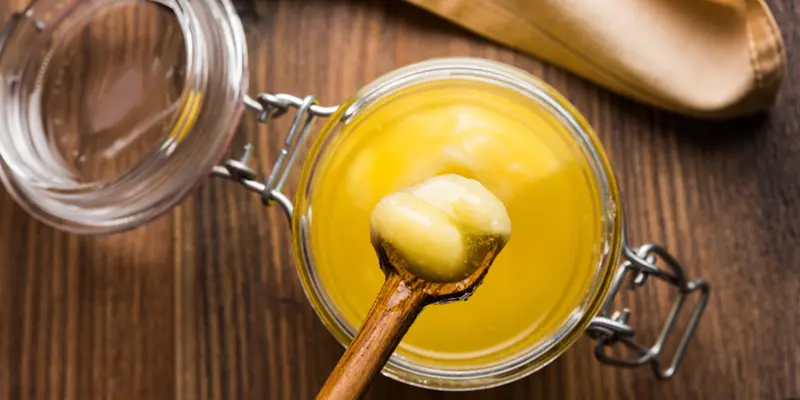
Fats like sunflower, olive oil, coconut oil, and ghee are recommended. Ghee is best for Pitta and Vata as it is pacifying for both. You can have between 4-8 teaspoons per day as needed. If Vata is causing dryness, take the upper limit.
Dairy

Dairy is recommended to keep Vata under balance. If you do not want to take milk then alternatives like coconut milk or almond milk can be taken. This is highly recommended for Vata.
Avoid sour yogurt and sour buttermilk. Yogurt should never be taken after sunset according to Ayurveda.
Tastes To Favor + Avoid
Sour and salty tastes pacify Vata however they aggravate Pitta. Bitter and astringent tastes (as in salads) pacify Pitta but aggravate Vata. So if both the constituent dosha are aggravated then a sweet taste has to be used to pacify them.
Sweet taste does not necessarily mean sugar and sugary food. Foods like barley, wheat, brown rice, and zucchini all have a sweet taste. In other situations, specific tastes as per the condition of the constituent doshas are to be used.
Hope you like the Ayurvedic diet for pitta body type till now. Keep reading for more!
ADVERTISEMENT
Coffee + Tea
Use of Pitta pacifying teas like jasmine, rose petals and lavender is highly recommended and can replace regular tea or coffee. In fact, taking too much tea and coffee aggravates both Pitta and Vata. Have them in moderation and preferably with milk.

Grains

Grains like wheat, rice, barley, oats, wild rice, amaranth, and quinoa are good for the Ayurvedic diet for Pitta body type. Avoid millets and rye in any form and take the corn in moderation and less often.
Meat
Most animal meats and seafood are ‘hot’ on the property and may aggravate Pitta in excess. Turkey and goat’s meat, however, are good. So intake of animal proteins should be moderated. Egg whites and milk can replace them.
Fruits

Fruits that are raw and with a too-sour taste should be avoided. Sweet and well-ripened fruits are good for you.
Vegetables
All vegetables are good for the Pitta Vata diet. Preference should be given to watery vegetables like zucchini, squashes, and gourds.

Too fibrous vegetables like artichoke, broccoli, and leafy greens are Vata aggravating and should be taken in small amounts and less frequently. Mustard greens are best avoided as they aggravate both Pitta and Vata.
Spices

Spices that are not too hot are beneficial. They include cumin, fennel, dill, basil, mint, turmeric, coriander, cardamom, and garlic. Hotter spices like peppers, ginger, and nutmeg should either be avoided or taken in small amounts.
Alcohol
Alcohol should be avoided as far as possible. Mild options like beer and wine should be preferred over hard liquor.
Water
Have at least 3-4 pints of water every day. Have more in summer or if you are sweating it out at the gym.
Ayurvedic Diet chart for pitta body type
This Pitta Vata pacifying food chart shares the best foods for you by the food group. Leave your questions in the comments below.

Suggested Meal Plan
Given below is the diet for pitta body type meal plan:
Breakfast

Start your day with one tablespoon of honey dissolved in a glass of room-temperature water. You may also have 10 almonds and 10 raisins soaked overnight.
Honey water is particularly beneficial to Pitta Vata types that have gained weight over the years, a deviation from the typical characteristics of Pitta Vata dosha.
Next, have a piece of fruit like an apple and some herbal tea.
Breakfast can be a glass of milk or milk alternative with any of the above-mentioned cereals. Another piece of fruit with herbal tea or fresh buttermilk midmorning is an ideal snack.
If you would like to learn more about Ayurvedic nutrition and how different foods affect the doshas, check out this Ayurvedic course on Holistic Nutrition by Todd Caldecott.
Lunch

Lunch can be a mix of cereals, suitable vegetables, and suitable animal proteins.
Turkey, moong beans, and yellow lentils along with vegetables and salads are good choices. Salads being raw should only be eaten during the daytime and in the summer season. They should be dressed in fresh cream, olive oil, or a little butter. Vinegar-based dressings should be avoided. Fresh lime juice may be used if you do not have acute acidity.
Favor cooked vegetables over raw vegetables at all times.
If you take a late afternoon snack, you may have herbal tea again with steamed sprouted moong or two egg whites with buttered whole-wheat toast.
Dinner

Dinner can be cereal, bean or lentil dishes along with vegetables or vegetable soups. Lean meat is also a good choice for the Pitta Vata diet.
You could also have a cup of warm milk or coconut milk with raw sugar.
Please consult a qualified Ayurvedic practitioner before following the above-mentioned dietary guidelines for Pitta Vata.
Frequently Asked Questions
What is the best Pitta-Vata food list for daily meals?
- Grains: Oats, rice, wheat
- Vegetables: Zucchini, asparagus, leafy greens
- Fruits: Sweet apples, pears, berries
- Dairy: Milk, ghee (in moderation)
- Spices: Fennel, coriander, cumin
What are common signs of a Pitta-Vata dosha body type imbalance?
- Physical: Dry skin with inflammation, bloating, irregular digestion, acid reflux
- Emotional: Irritability, anxiety, mental overactivity, burnout
What is a Pitta dosha imbalance and how do I know if I have one?
- Skin issues (rashes, acne)
- Acid reflux or ulcers
- Excessive sweating or body heat
What foods should be avoided on a Pitta dosha diet?
- Spicy foods: Chilies, garlic, raw onions
- Sour foods: Fermented items, yogurt
- Stimulants: Coffee, alcohol
What are the main personality traits of someone with a Vata dosha?
- Creative, energetic, and quick-witted
- But may also experience anxiety, indecisiveness, and insomnia when out of balance
What is the ideal daily routine for someone with a Pitta-Vata constitution?
- Wake early (6–7 AM) – avoid screens in the morning
- Abhyanga with cooling & calming oils (coconut for Pitta, sesame for Vata)
- Eat regular meals – lunch should be the biggest meal
- Practice calming yoga or pranayama
- Wind down before 10 PM with journaling or soft music
Can a Pitta-Vata dosha type eat raw foods and salads?
- Lightly steam vegetables
- Add a dash of cooling spices
- Use lime instead of vinegar for dressings





Brilliant!!
Thankyou. Yea the pitta vata syndrome! What a headache that’s been.
This explains alot!!!!!!
Thankyou
Kevin