

In the vast and intricate world of Ayurveda, few herbs hold as much reverence as Haritaki. Often called the “King of Medicines” in Ayurvedic texts, this humble yet powerful fruit has been treasured for centuries for its incredible ability to support overall health and well-being. But its significance isn’t just rooted in ancient tradition—Haritaki in Ayurveda continues to be a cornerstone of holistic healing, gaining recognition in modern wellness circles for its remarkable benefits.
Derived from the Terminalia chebula tree, Haritaki is one of the three vital ingredients in the famed Triphala formulation. Its name translates to “that which removes diseases,” a testament to its wide-ranging medicinal properties.
But what makes Haritaki truly special? Ayurveda describes it as Tridoshic, meaning it has the rare ability to pacify all three doshas—Vata, Pitta, and Kapha—making it suitable for people of all constitutions. It is believed to rejuvenate the body, strengthen immunity, and even uplift the spirit. No wonder ancient sages and yogis considered it a sacred herb for both physical and spiritual purification. Join us as we explore the incredible properties, uses, and Ayurvedic wisdom behind this extraordinary fruit!
Names of Haritaki in Different Languages
- English – Terminalia Chebula Retz
- Hindi – Harre, Harad, Harar
- Sanskrit – Abhaya, Kayastha, Pathya, Vijaya
Haritaki as Mentioned in Ancient Ayurvedic Texts (Shloka verse)
विजया सर्वरोगेषु रोहिणी व्रणरोहिणी । प्रलेपे पूतना योज्या शोधनार्थेऽमृता हिता ॥
अतिरोगेऽभया शस्ता जीवन्ती सर्वरोगहृत् । चूर्णार्थे चेतकी शस्ता यथायुक्तं प्रयोजये चेतकी द्विविधा प्रोक्ता श्वेता कृष्णा च वर्णतः ।
षडङ्गुलायता शुक्ला कृष्णा स्वेकाङ्गुला स्मृतः काचिदास्वादमात्रेण काचिद्वन्धेन भेदयेत् ।
काचित्स्पर्शन दृष्ट्याऽन्या चतुर्द्धा भेदये च्छित्व चेतकीपादपच्छायामुपसर्पन्ति ये नराः ।
भिद्यन्ते तत्क्षणादेव पशुपक्षिमृगादयः ॥
चेतकी तु धृता हस्ते यावत्तिष्ठति देहिनः । तावद्भिद्येत वेगैस्तु प्रभावान्नात्र संशयः ॥
नृपाणां सुकुमाराणां कृशानां भेषजद्विषाम् । चेतकी परमः शस्ता हिता सुखविरेचनी॥
सप्तानामपि जातीनां प्रधाना विजया स्मृता । सुखप्रयोगा सुलभा सर्वरोगेषु शस्यते॥
Bhavprakash nighantu: Haritakyadi Vargha – Shloka no. 11-18हरीतकी पञ्चरसाऽलवणा तुवरा परम् । रूक्षोष्णा दीपनी मेध्या स्वादुपाका रसायनी ॥
चक्षुष्या लघुरायुष्या बृ ंहणी चानुलोमिनी ।
श्वासकासप्रमेहार्शः कुष्ठशोथोदर क्रिमीन् ॥२०॥
वैस्वर्यग्रहणीरोग विबन्धविषमज्वरान् । गुल्माध्मानतृषाछर्दिहिक्काकण्डूहृदामयान् ॥ २१ ॥
कामलां शूलमानाहं प्लीहानञ्च यकृत्तथा । अश्मरीं मूत्रकृच्छ्रञ्च मूत्राघातञ्च नाशयेत् ॥
Bhavprakash nighantu: Haritakyadi Vargha – Shloka no. 20-2चर्विता वर्द्धयत्यग्नि पेषिता मलशोधिनी । स्विन्ना संग्राहिणी पथ्या भृष्टा प्रोक्ता त्रिदोषनु उम्मीलिमी बुद्धिबलेन्द्रियाणां निर्मूलिनी पित्तकफानिलानाम् । विषंसिनी मूत्रशकृन्मलानां हरीतकी स्यात् सह भोजनेन ॥ ३१ ।।
अन्नपानकृतान्दोषान्वातपित्तकफोद्भवान् । हरीतकी हरत्याशु भुक्तस्योपरि योजिता ॥ लषणेन कफं हन्ति पित्तं हन्ति सशर्करा ।
घृतेन वातजान् रोगान्सर्वरोगान्गुडान्विता ॥
Bhavprakash nighantu: Haritakyadi Vargha – Shloka no. 31-33हरीतक्यभया पथ्या प्रपथ्या हैमवत्यपि ॥ २२१ ॥
कायस्था श्रेयसी झेया प्राणदा विजया शिवाः। जया विलवणा पञ्चरसानु तुवरोत्कटा ॥ २०२ ॥
स्वादुपाकरसायुष्या रूक्षोष्णा बृंहणी लघुः । दीपनी पाचनी मेध्या वयसःस्थापनी परम् ॥ २२३ ॥
रसायनी च चक्षुष्या बलबुद्धिस्मृतिप्रदा । कुष्ठवैवर्ण्य बैस्वर्यपुराणविषमज्वरान्।। २२४ ।।
शिरोऽक्षिपाण्डुहद्रोगकामला ग्रहणीगदान सशोषशोफातीसार मेहमोहवमिकृमीन् ।। २२५ ॥
श्वासकासप्रसेकार्शः प्लीहानाहगदोदरान् 1 विबन्धं स्रोतसां गुल्ममुरुस्तम्भमरोचकम् ।। २२६ ।।
हिध्माध्मानव्रणान् शूलं त्रीन् दोषाँश्च व्यपोहति । स्वाद्वम्लभावात्पवनं कटुतिक्ततया कफम् ॥ २२७ ॥
कषायमधुसत्त्वाच्च पित्तं हन्ति हरीतकी । मज्जवक्स्नायुमांसास्थिस्थिताः पंचाभयोद्भवाः ।।२२८ ॥
स्वादुकट्वम्ल तिक्ताख्यकषायाः क्रमशो रसाः । पध्यामज्जा च चक्षुष्यो वातपित्तहरो गुरुः ।।२२६ ॥
नीरजा वनजा चैव पर्वतीया इति त्रिधा । यथोतरं पथ्यतमा विज्ञेया त्रिविधाभया ॥ २३० ॥
तथाम्भसि ।। कालयोगात्स्वयं पक्का पतिता च महीतले । नवा स्निाधायता वृत्ता गुर्वी क्षिप्ता ।। २३१ ।।
निमज्जेद्या तथैकस्मिन् फले स्याच्च द्विकर्षता । सर्वदा गुणकृत्सा तु ततोऽन्या तु विवर्जिता ॥ २३२ ॥
Kaidev nighantu: Aushadhi Vargha – Shloka no. 221-234
Appearance of Haritaki Plant
Haritaki, also known as Terminalia chebula, is a medium to large deciduous tree that typically grows to a height of 25–30 meters, with broad, spreading branches. Its trunk is cylindrical and relatively short, usually less than 10 meters in length. The leaves are spirally arranged along the stem, bright green, and lance-shaped, measuring about 5–6 cm in width and 12–15 cm in length. They shed during the cold season. Leaf buds, branches, and young leaves are covered with soft, shiny, reddish-brown hairs.

The flowers are short-stemmed, monoecious, and range from dark white to yellow in color, emitting a strong, unpleasant odor. They grow in simple terminal spikes or short panicles. The fruit is an ellipsoid drupe with a dry pericarp, measuring 2.5–4 cm in length and 2–2.5 cm in width. It is green when unripe and turns brown upon maturity, usually between November and March, depending on the location. The fruit falls soon after ripening. The seed is angled, bony, and rough in texture. The bark is dark brown, and a pair of large glands can be seen at the top of the petiole.

Ayurvedic Properties of Haritaki
Rasa (Taste) – Ayurveda describes haritaki as pancha rasatmaka (has 5 tastes), having kashaya rasa pradhan (astringent taste predominance) except lavana rasa (salty taste).
Guna (Quality) – It possesses laghu (light) and ruksha (dry) qualities.
Veerya (Potency) – Haritaki in Ayurveda has ushna (hot) potency.
Vipaka (taste developed through digestion) – After the digestion of haritaki has madhur (sweet) vipaka i.e. post-digestion taste is sweet.
Main Actions Exhibited by Haritaki in Ayurveda
Despite being known for thousands of years, Haritaki’s significance has only grown with time, as modern research continues to uncover its potential benefits. From digestive health and detoxification to respiratory wellness and mental clarity, Haritaki remains as relevant today as it was in the days of Ayurveda’s earliest practitioners.
Anti-ulcerogenic and Wound Healing Activity
Research has shown that Haritaki possesses powerful gastroprotective properties, helping to safeguard the stomach lining from damage. Studies indicate that its hydroalcoholic extract significantly reduces ulcer formation caused by factors like aspirin, alcohol consumption, and stress-induced conditions. This suggests that Haritaki may play a key role in protecting against gastric issues and promoting overall digestive health.1
Skin Disease
There are mentions of haritaki in Ayurveda, as kushthaghna, indicating its therapeutic values in kushtha or skin diseases like leprosy, according to the Ayurvedic texts. Its truth was revealed in contemporary studies, showing an aqueous extract of Terminalia chebula was effective against dermatophytes and yeasts2.
Anthelmintic Activity
In Ayurveda, haritaki is known as krimihara, meaning “destroyer of worms,” due to its powerful ability to expel parasites and harmful microbes from the body. Studies have demonstrated its potent anthelmintic properties, showing that its extracts are even more effective than the aqueous extract and the standard antiparasitic drug, Albendazole³. This makes haritaki a natural and effective remedy for maintaining gut health and preventing parasitic infections.3
What Parts of Haritaki Can Be Used?
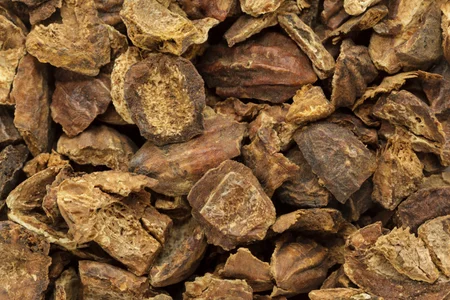
The dried and fresh fruits of the haritaki plant are most widely used for consumption. Ayurvedic medicines make use of all the parts of the plant including fruits, skin, leaves, pulp and skin.
Benefits & Medicinal Uses of Haritaki
- Doshaghna (Balancing All Doshas): Haritaki naturally detoxifies the body, helping to balance Vata, Pitta, and Kapha, promoting overall well-being.
- Lekhaneeya (Fat-Scraping Quality): Supports healthy weight management by reducing excess fat and improving metabolism.
- Shothanut (Anti-Inflammatory): Helps reduce swelling, joint pain, and inflammatory conditions.
- Deepana (Enhancing Digestive Fire): Stimulates digestion by strengthening agni (digestive fire), improving appetite, and boosting metabolism.
- Pachana (Aiding Digestion): Supports efficient digestion by breaking down food properly and preventing toxin accumulation in the gut.
- Chakshushya (Eye Health): Beneficial for vision, helping to maintain eye health and prevent disorders.
- Rasayana (Rejuvenative & Anti-Aging): Acts as a powerful rejuvenator, delaying the aging process, revitalizing tissues, and enhancing immunity.
- Ayushya (Longevity): Promotes vitality and longevity by nourishing the body and mind.
- Bruhmani (Nourishing & Strengthening): Aids in weight gain when needed and fortifies the body’s strength.
- Anulomani (Regulating Digestion): Relieves constipation and supports smooth bowel movements.
- Balaprada (Boosting Strength & Endurance): Enhances physical strength, stamina, and overall endurance.
- Buddhiprada (Cognitive Enhancer): Improves intelligence, mental clarity, and cognitive function.
- Smritiprada (Memory Booster): Boosts brain health and sharpens memory, aiding in better retention and recall.
Haritaki’s Effects on Three Doshas
Haritaki in Ayurveda helps balance all three doshas—Vata, Pitta, and Kapha—due to its diverse taste profile:
- Its sour taste aids in balancing Vata.
- Its sweet, bitter, and astringent tastes help pacify Pitta.
- Its pungent, bitter, and astringent qualities work to reduce Kapha.
Precautions & Side Effects of Haritaki
Pregnant and breastfeeding women – There are not many conclusive studies suggesting the effects of haritaki on pregnant and breastfeeding women therefore it is advised to consume under the guidance of a medical professional.
Allergic reaction – Individuals who are allergic to haritaki should avoid its consumption.
There are no specific precautions one must take while consuming haritaki apart from excess consumption which might imbalance the doshas and have adverse effects.
Who can Benefit from the Consumption of Haritaki?
- Individuals suffering from respiratory difficulty.
- Individuals with fever.
- Individuals suffering from stomachache.
- Individuals with menstrual problems.

Recipes to Consume Haritaki at Home
Herbal Milk
Ingredients: Warm milk, haritaki powder
Dosage: 1–6 grams of haritaki powder
Instructions:
Mix 1–6 grams of haritaki powder into a cup of warm milk; stir well until fully blended.
Consume once or twice a day, as recommended by your Ayurvedic practitioner.
Haritaki Powder with Jaggery
Ingredients: Haritaki powder, jaggery
Dosage: 1 tablespoon of the haritaki-jaggery mix
Instructions:
Lightly roast 20–30 grams of haritaki powder; mix it with an equal amount of jaggery.
Consume once daily.
Cough Remedy: Haritaki, Amalaki & Licorice Mix
Ingredients: Haritaki powder, amalaki (Indian Gooseberry), licorice
Dosage: 1–2 teaspoons for mild cough, 2–3 teaspoons for excessive coughing
Instructions:
Combine 20–30 grams of haritaki powder, amalaki, and licorice; grind them into a fine powder.
Consume once or twice a day as needed.
Haritaki Detox Drink
Ingredients: Haritaki powder, water, honey
Instructions:
Mix ½ teaspoon of haritaki powder with 1 teaspoon of honey and 1 cup of water.
Drink it first thing in the morning on an empty stomach for detoxification benefits.
Read More: Guggulu in Ayurveda | Castor in Ayurveda | Ashwagandha in Ayurveda | Turmeric in Ayurveda


0 Comments