

The winter season slows down the fast-paced mobility of the summer. Winter is associated with resting, reflecting, and hibernation. Winters are associated with dry and chilly weather, which affects our health, skin, and hair. In this scenario, being extra cautious about taking care is important. This is why Ayurvedic experts stress having a seasonal routine. Ayurveda suggests that adapting our diet and lifestyle to accommodate the changing seasons can reduce the chance of any seasonal change influencing any imbalance.
Ayurveda and winter season
Indian traditional wisdom contains a system of seasonal living known as Ritucharya. The word ritu means season, and charya means regimen. Ayurvedic texts suggest that human life is closely connected with nature and that the changes in the seasons impact our health. Therefore, it is essential to stay in perfect harmony with nature.
According to Ayurvedic wisdom, the winter season is divided into early winter (hemant) and late winter (shishir). As per Ayurvedic wisdom, a drop in the temperature intensifies the agni (digestive fire), which helps in the proper digestion of food. Thus, consuming a healthy diet based on Ayurvedic principles helps us relish the winter.
Foods recommended by Ayurveda
Sesame seeds

Sesame seeds naturally contain good fats, copper, iron, zinc, and vitamins. According to Ayurvedic wisdom, sesame seeds can keep a person warm naturally, help keep the winter flu away, and build strong immunity. For this reason, many desserts prepared in winter contain sesame seeds. Therefore, Ayurvedic experts suggest the intake of sesame seeds during the winter months.
If a person is experiencing dry and dull skin1 and hair, applying sesame seed oil can help add nutrition, moisture, and luster to the skin and hair. To get rid of dryness, a person can combine two tablespoons of sesame seed oil and two tablespoons of aloe vera gel.
Ayurvedic wisdom also suggests that abhyanga (Ayurvedic self-massage) with warmed sesame oil can help manage exhaustion, insomnia, and other cold-related extremities.
Jaggery

Jaggery is considered to be extremely beneficial during the winter season. It is a wholesome, pure, unrefined form of sugar-containing natural minerals and vitamins from sugarcane. As per the ancient teachings of Ayurveda, jaggery helps enhance energy levels, produce heat, aid in proper digestion, and keep gastric problems at bay. Ayurveda recommends consuming jaggery after meals as it improves digestion due to its ushna (hot) and snigdha (oily) properties. Additionally, since jaggery is rich in iron and vitamin C, it can help deal with sore or irritated throats, chest congestion, and other respiratory disorders2.
Turmeric milk
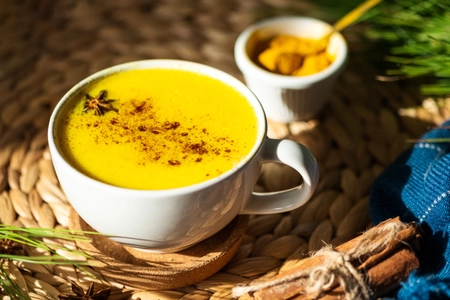
The hot potency, ushna properties of turmeric make it an excellent ingredient to keep handy during winter. Turmeric is a commonly used herb in Indian households and is renowned for its healing and anti-inflammatory properties. Ayurvedic remedies dating back to 4000 years highlight various medicinal properties of turmeric3. A significant reason why Ayurvedic experts recommend it during winter is its potential ability to boost immunity and protect against common colds and flu.
Having a cup of warm milk infused with turmeric before bed can give warmth and help relieve stiff joints, winter sinuses, and seasonal colds & coughs.
Ginger tea
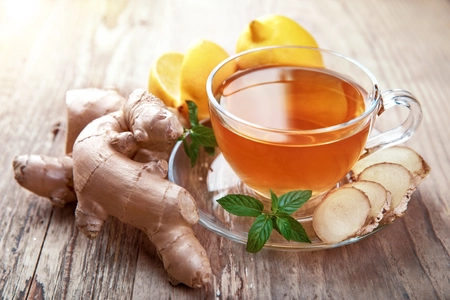
Consuming hot beverages can be very helpful during winter. Many herbal tea preparations, like ginger tea, can help you pass through the chilly weather without feeling the chills. Ayurvedic experts often refer to ginger as a universal medicine as it can aid the digestive system, open inflamed airways, improve blood circulation, and increase gastric juice production. Since ginger can help intensify agni (digestive fire), it can be helpful to stimulate slow digestion and provide natural warmth during winter.
Black gram
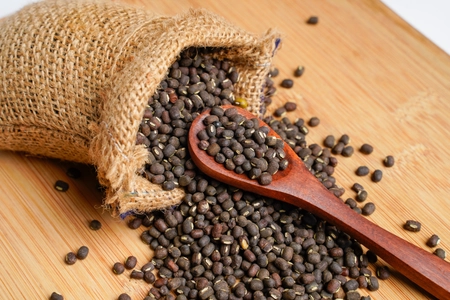
Black gram, urad dal, or Vigna mungo, is a lentil used in Indian households. Ayurveda attributes black gram with tarpana (ability to nourish) and balya (promotes physical strength) properties, which can help deal with inactivity, lethargy, and dullness associated with winters. Besides, black gram can help tackle skin dryness during winter with its snigdha (oily) nature and tarpan (nourishing) qualities.
ADVERTISEMENT
Dry fruits and nuts

Dry fruits are a must during winter. Consuming a handful of cashews, dates, pistachios, almonds, walnuts, etc., can help generate body heat and give a person the energy to deal with winter-related laziness. Consuming nutrient-dense nuts can help remove dryness from our bodies. Experts recommend consuming dry fruits like almonds and raisins as they can help make a person feel energetic in the morning, improve digestion with their ushna property (hot potency) and their natural antioxidants and vitamins make them immensely good for skin & hair during the dry winter spell.
Nutrient-dense vegetables
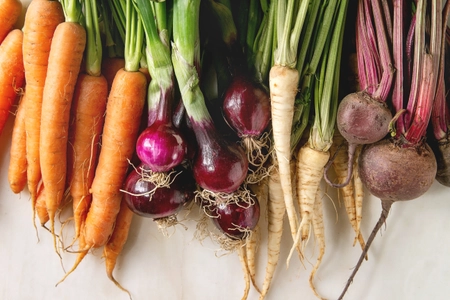
Consuming vegetables like beets, carrots, and green like fenugreek, spinach, radishes, and onions is advisable during winter. These nutrient-dense vegetables are heavy and rich in fiber, vitamins A and C, minerals, and antioxidants, which makes them excellent for supporting our health during winter. Experts suggest that these vegetables should be cooked with light spices and must be consumed warm.
Ghee
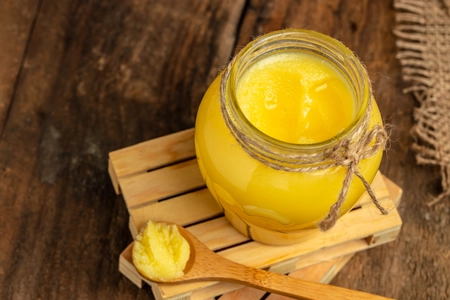
The Indian variant of butter, desi ghee, is essentially amongst the best food items that a person can consume in chilly weather. It is packed with nourishing nutrients that can help hydrate, moisturize, and give strength to our bodies from the inside. According to Ayurvedic wisdom, regular use of ghee can help fight against recurrent diseases and enhance immunity4.
Since many people suffer from skin dryness during winter, ghee can help them fight it. Applying a small quantity of ghee to dry skin can help reduce dryness as it helps impart moisture to the skin. Regular application of ghee can also improve complexion and add radiance to our skin. Furthermore, massaging joints with ghee can help reduce joint pain due to its ability to balance Vata (pain in the joints is mainly due to Vata imbalance).

Saffron
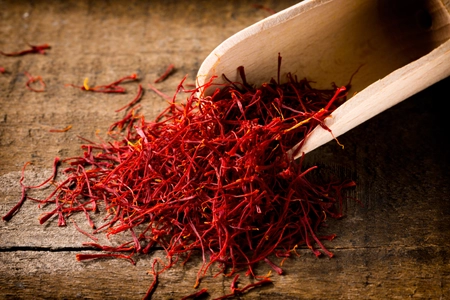
Saffron has been used in traditional practices for centuries and is a rich source of antioxidants, vitamin A, B12, folic acid, copper, iron, calcium, potassium, zinc, etc. Traditional medicine records dating back to the 16th to 19th century indicate the use of saffron for various preparations5. Ayurvedic experts suggest that saffron can help ward off any cold or viral diseases, especially in winter, as it is rich in carotenoids, which help fight diseases and improve immunity. Adding saffron to milk or tea is an excellent way to enjoy its taste and aroma while reaping its potential health benefits.
Amla
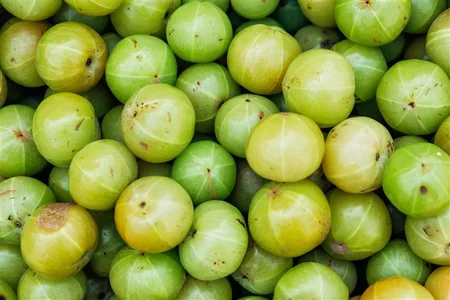
Amla or Indian gooseberry is a potent rejuvenating herbal adaptogen (a naturally sourced ingredient that may help the body adapt to stressful situations). It has been used in Ayurveda and other traditional medicinal practices for thousands of years6. With a high concentration of natural antioxidants and vitamin C, amla can help strengthen the immune system, nourish the tissues, and remove toxins from our bodies.
From an Ayurvedic perspective, amla stimulates digestion and ignites Agni (the digestive fire) to aid proper digestion. During winter, we generally indulge in foods that are heavy on the stomach. Therefore, consuming amla is beneficial.
According to Ayurveda, every season has unique qualities that can either pacify or aggravate the workings of our dosha. Therefore, we must consume a diet that ensures our overall balance and well-being. So, if you plan to indulge this winter, why not go in for Ayurveda and winter-approved food that will do your body good?


0 Comments