

Set foot in any Indian household for breakfast and you cannot ignore the piping hot idlis or dosas creating a perfect celebration for the tastebuds! Tasting as good as it looks, the recipe contains a less-discussed ingredient that comes with immense health benefits, the Black Gram.
While we can leave the calorie and culinary benefits for the nutritionists to discuss, a lot is still pending from an Ayurvedic point of view. Let us uncover some hidden secrets about this tiny legume from the ancient treatises and see how modern research contributes to substantiating those.
Ancient Ayurveda literature is written in Sanskrit, one of the oldest languages in the world. The scriptures inscribed in palm leaves describe not just decoctions or medicated powders but are a huge encyclopedia of herbs and minerals. Identifying these herbs correctly from the treatises in the present era with their traditional names is a challenging task but worth all the effort as it helps in getting the formulations right.
Do you know these Ayurvedic facts about black gram?
Just like how chemists and physicists scientifically describe the properties of molecules and matter, Ayurveda also has its own way of describing the specific properties of an herb or formulation. It gives an elaborate idea to Ayurveda enthusiasts, how the herb will act in the body according to a person’s prakriti or dosha constitution. This helps decide whether an herb creates a positive or negative impact on the body.
Yes! You just found out how Ayurvedic practitioners decide what is best for you and why a single herb doesn’t fit all!
Ayurvedic Properties of Black Gram
Black Gram is called masha in Ayurveda. So, the next time you hear “mahamasha oil”, you know what the chief ingredient in it is! In Ayurveda, the properties of an herb are described in terms of its taste, qualities, potency, post-digestive effect, and special virtues, if any. Let’s examine the Ayurvedic energetics of black gram and see how to define the herb based on these properties in a simple way:
Rasa (Taste)
The lentil is sweet and astringent in its taste. Being a source of carbohydrates or sugars explains the sweet taste of this humble legume. But what about its astringent taste? Remember a peculiar earthy flavor that your tastebuds experience when black gram is consumed? That is where the astringency comes from.
Guna (Qualities)
Guru (heavy) – No, it’s not quantitatively, but qualitatively very heavy to digest. Well, this could be the reason why Acharya Charaka included it among the foods that should not be consumed daily!
Snigdha (unctuous or oily) – The unctuous nature of the black gram is responsible for helping it remain intact throughout the procedure. Think of the unctuous nature as similar to the creamy consistency that makes hummus or lentil dips so satisfying. Ayurvedic practitioners use black gram for procedures like kativasti janu vasti, etc. Kativasti and janu vasti are Ayurvedic therapies where warm medicated oil is retained within a ring made of black gram dough placed over the lower back and knee respectively. This helps to alleviate pain and inflammation in these areas.
Virya (Potency)
If you have gastritis or stomach ulcers, you may want to step away from black gram recipes; it may worsen the condition due to its hot potency. You certainly do not want to experience a burning sensation after consuming it.
Vipaka (Post-digestive effect)
Ayurveda describes the post-digestive effect of eatables in terms of three tastes – sweet, sour, and pungent. Wondering what is its significance as we have already determined the taste? This vipaka has a role in metabolism and can affect the way the herb finally acts in the body. Interestingly, this post-digestive effect need not always be the same as the predominant taste in the beginning. The sweet vipaka of this lentil explains how, after digestion, it is absorbed as a carbohydrate or as a source of energy in the body.
The Doshic Effect
The above details are sufficient to understand that black gram can potentially increase Kapha, Pitta doshas, and balance Vata dosha. Analyzing your body constitution or the dosha predominance of your condition helps suggest if black gram is suitable for you or not.
Ancient Ayurveda texts have described many more properties of this humble dal such as it nourishes the body, promotes physical strength, increases the sperm count, and acts as an aphrodisiac, nervine tonic, etc., among others. But being a lentil that is easily available, it is important to know how to make the most of it internally and externally to obtain the acclaimed benefits.

External Applications
Masha Kanji Shiro Lepa
A lesser-known hair pack with amazing benefits to reduce dandruff! Mix black gram powder with equal quantities of fermented rice water to make a paste. Apply it over the scalp and massage for 5 minutes. Wash off completely with an herbal shampoo after around 15 minutes. Continue for some days and observe amazing results for yourself!
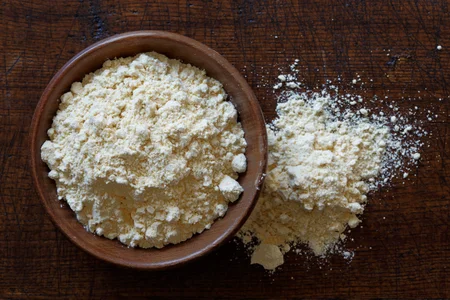
So, what makes this paste good for dandruff? It offers a cleansing effect when combined with fermented rice water. The strong penetrating effect of fermented gruel when combined with black gram powder helps in pacifying the Vata and Kapha doshas responsible for dandruff.
Read more: DIY Ayurvedic Hair Conditioners + Remedies
Podikizhi:
Podikizhi is generally a method of inducing sweat to flush out toxins from the system. Did we mention Acharya Charaka has included the lentil among the group of sweat-inducing herbs?
Roast the black gram flour until it gives out a nice aroma. Prepare the powder into a bundle of cotton cloth and apply the warm bundle over painful joints and weak muscles. Doing this for 10 to 15 minutes can help relieve pain and regain the strength of body parts.
But how does this practice help in relieving pain? Remember the doshic effect of black gram explained earlier? Yes, it balances Vata dosha, the main culprit behind all types of pain. The hot potency and qualitatively heavy nature of this wonderful legume induce sweat and combat the cold, light nature of Vata, effectively tackling pain when applied externally as a podikizhi.

How to Consume Black Gram?
As an important culinary ingredient, you can make the most out of black gram by experimenting with different recipes. Two special recipes mentioned in the ancient Ayurveda texts are detailed below:
Black gram rice:
Want to gain body weight and muscle strength without consuming meat? Acharya Charaka details a rice recipe that aids the same benefits when prepared with black gram. Rice prepared with black gram, sesame, green gram, and milk helps nourish the body, is good for the heart, and aids weight gain.
- Take 4 parts of well-washed rice in a rice cooker.
- To this, add 2 parts each of black gram and green gram (you thought it right! There goes the protein to balance your diet) along with one part of sesame seeds (oh yes! Calcium for strong bones).
- Mix everything well with 5 parts of milk and cook till the rice is nice and fluffy. No, you cannot add salt as this recipe is prepared with milk. But jaggery can be a good option if you have a sweet tooth.

Masha Apoopa:
An interesting name for sure! Apoopas may be considered an ancient form of wafers/rotis!
- Mix black gram flour with an adequate quantity of water and salt to prepare a dough. You may add spices like cumin seeds, sesame seeds, etc., to make it flavorful and innovative.
- Make thin discs of the desired size and cook them with pure ghee or suitable oil.
- These are nourishing, strengthening, and appetizing, and help increase semen/sperm count.
- Please note: The legume’s heavy nature suggests this recipe is good if you work out well and have a good digestive activity and are not a couch potato. It can make you sleepy and lazier due to its heavy nature if you don’t keep moving.

Health Benefits of Black gram
- Aphrodisiac effect: There is a separate section in Charaka Samhita called Mashaparnabhritiya Vajikarana pada describing the importance of this amazing lentil in sexual wellness. Sprouted black gram is even better and a delicious recipe can be made by cooking it with milk and sugar. As mentioned earlier, this tiny love lentil can help boost strength, stamina, and sperm count, thereby promoting sexual vigor.
- Postpartum support for lactating women: In many parts of India where Ayurvedic postpartum rituals are being followed, feeding the lactating mother with black gram rice, black gram savory pancakes, and other recipes is very common. Not just to enhance strength and body weight, the recipes with black gram promote breast milk production in lactating mothers.
- Promotes muscle strength: If you are a workout and health fanatic, then this lentil is for you. Prepare black gram lentil soups and other recipes of your choice to improve muscle bulk and strength.
Who Should Avoid Black Gram Consumption?
Enough said about the benefits of black gram! Before you head out to buy the wonderful bean, make sure you don’t belong to the list below as it may not be suitable for these categories of people:
- Psoriasis: The lentil’s heating nature can aggravate skin inflammation and increase itching. This may worsen psoriasis symptoms, as this condition often requires cooling and soothing remedies.
- Eczema: Its oily and heavy properties can clog pores and exacerbate skin inflammation. This potentially increases flare-ups and discomfort in eczema-prone skin.
- Dermatitis: Its heating and sticky qualities can increase irritation and inflammation in dermatitis. In this case, cooling and anti-inflammatory foods are generally more beneficial.
- Worm Infestation: Due to its heaviness, black gram can be difficult to digest, which may contribute to an environment conducive to parasites, making it unsuitable in cases of worm infestations.
- Bleeding Disorders: Black gram is heating and has a tendency to increase blood flow, which could aggravate bleeding tendencies, making it counterproductive for conditions that require blood-calming foods.
- Inflammatory Conditions of the Bowel: The humble legume is heavy and hard to digest, which can aggravate inflammation in the intestines, leading to discomfort and worsening symptoms in conditions like IBS or colitis, where easily digestible foods are preferable.
As you must have noticed, it is not well tolerated in skin diseases and inflammatory conditions due to its hot potency. It can further derange the Pitta and Kapha doshas associated with the above diseases and hence appropriate care should be taken before consumption.
Black gram is a humble legume with a remarkable storage of nutrients and therapeutic benefits that have been revered in Ayurveda for centuries. From the scriptural references about its nourishing, dosha balancing, and aphrodisiac effect, black gram stands as a testament to the authenticity of Ayurvedic principles. Incorporate it into your daily diet in various recipes or externally for hair and joint health and embrace strength, vitality, and overall wellness.



“This is a beautifully detailed and well-researched piece on black gram! I truly appreciate how it blends Ayurvedic insights with practical applications, both culinary and therapeutic. The breakdown of rasa, guna, virya, and vipaka really helped me understand why black gram is such a powerful ingredient in Ayurveda. The inclusion of ancient recipes and modern DIY tips, especially for hair and joint care, makes this a truly holistic guide. Thank you for reviving such valuable traditional wisdom in an accessible way!”