

We know that Vata dosha creates a deficiency in tissue, Vata dosha being air and ether cannot create quality tissue, it can only deplete tissue. So what happens when Vata underproduces rasa?
The endometrium is the lining of the uterus that we look at as menstrual flow. When Vata under produces rasa dhatu, we end up with scanty menses. The periods may be very light and of short duration, and frequently there is cramping at the onset of the period.
When the endometrium is moist, and the hormones shift, it’s time for menstruation to begin and everything sloughs off very easily. But when the endometrium is dryer, in that case, the body has to work more, it has to work harder to slough off this endometrium.

Read more: Dhatus: An Introduction To Ayurveda’s 7 Tissue Layers
The way our body supports sloughing off the endometrium is what results in the cramping of the uterus force of the endometrial lining. So when Vata dosha creates a deficiency in rasa dhatu, the result for the female reproductive system is scanty menses of short duration along with cramping.
Vata dosha can also create deficiencies in shukra dhatu and the egg. If we create deficiencies in the egg we may have non-viable egg infertility because the egg is developed in response to hormonal shifts of the ovaries. Vata dosha creates instability in this hormonal progression and the cycles may become irregular.
If Vata dosha has interfered not just with hormone levels but with the egg itself, fertility may be challenged or fertility may become impossible. So for the menstrual cycle, Vata invading shukra dhatu may lead to irregularity in the cycle. This will lead to unpredictability in the context of dates of ovulation or menstruating and may also challenge conception.
Vata dosha depletes the Medo dhatu – the fats of the body. Vata dosha being air and ether does not provide enough nutrition to the system to build healthy fats.

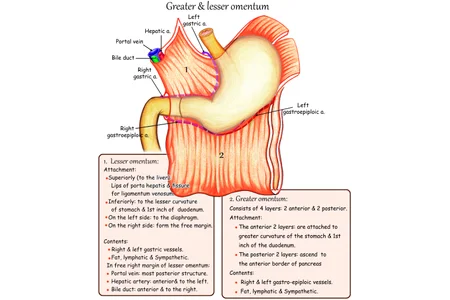
If the body fats especially of the omentum and peritoneum are too low then ovulation may not occur at all. Also, we can think of Medo dhatu as a way that the body uses to hold water in the system and if we lack medo dhatu, we will have a hard time holding water and will become dryer. Lastly, dhatu agni, the force that creates the tissues of the body becomes variable.

This results in irregularity in hormonal release and so sometimes you may have excess oestrogen, deficient oestrogen, excess progesterone, or deficient progesterone. All the body systems may operate irregularly because Vata dosha by the mere principle of movement moves back and forth, creating irregularity.
It results in ‘ama’ formation in the tissues of the body. ‘Ama’ is toxicity, ‘ama’ is a byproduct of poor digestion. We can build ‘ama’ in our digestive system by poorly digesting our food. We can build ‘ama’ in the blood by having a sluggish and stagnant liver or not exercising enough to keep dhatu Agni strong.
The dhatu Agni is a variable of Vata dosha, sometimes very fast but sometimes very low, just like the wind. Some days the wind can blow us right off the road, other times the day is perfectly calm. This is the nature of Vata dosha to have a degree of variability. It creates instability in the hormone mechanism and, this can lead to irregularity in the menstrual cycle.
Due to Vata’s impact on reproductive health, menstrual cycle can be irregular, scanty, of short duration and possibly uncomfortable for few days, with cramping in the beginning to shed the endometrium.
Now, you may not ovulate at all because of low body fats, if you do ovulate you may have difficulties with fertility because there may be poor production of shukra dhatu. Or if Vata underproduces rasa dhatu, there may not be a nest for that fertilized egg to land in.
Vata dosha disturbs the female reproductive system in many ways. So when we have Vata doshic imbalance, we need to increase the quality and quantity of tissues to stabilize hormones.
The activities we do create a demand for the body to build quality tissue. When we do these things by having a good flow of the day we align the flow of the day with the movement of the sun, with this we can hope to stabilize our hormonal systems.
So Vata dosha people with a Vata doshic imbalance need to gain that Vata back in. You must recognize that Vata dosha goes out of balance when you indulge in those tendencies of Vata. The Vata tendencies are to do things faster, better, more, have more experiences, sleep less, and eat lightly. But to create balance a person with a lot of Vata dosha needs to work against those tendencies.
Read more: Vata Dosha Symptoms | Vata Diet: Everything You Need To Know





0 Comments