

Have you ever stopped to think about why some foods delight your taste buds while others don’t appeal as much? Beyond personal preferences or cravings, it’s the unique quality of Rasa – the taste- that sets one food apart from another.
In this blog, I will guide you through the concept of Rasa and how understanding it can help you make better food choices to enhance your well-being. Let’s explore the power of food along with the six tastes in Ayurveda for a healthier, more balanced life.
Happy reading to you!
Concept of Shada Rasa and its Essence in Ayurveda
We’ve all heard the saying, “Food is the fundamental requirement of human beings to live and grow”. While this is undoubtedly true, its benefits depend on how you manage your food and eating habits. The key lies in practicing Shada Rasa Abhyasa–the inclusion of all six fundamental tastes in your daily meals. This simple yet powerful principle can strengthen your immune system and help prevent various health issues. Now, let us further understand the science behind rasa or taste and how understanding this can help you manage your diet effectively!
What is Rasa?
Rasa refers to a specific sensory perception experienced by the tongue, or Rasanendriya. Simply put, it’s the sensation your tongue feels when it comes into contact with a substance (Dravya). As per the 5000-year-old science of Ayurveda, rasa or taste of any food item in your diet plays a key role in shaping your strength, complexion, and immunity. In fact, the tastes one enjoys in their daily diet can be transformative for their well-being. Each food and herb offer a unique taste, and when you savor them in harmony, they bring about amazing benefits!
Types of Rasa
As outlined by Acharya Charaka in the Charaka Samhita, there are six primary types of rasa. These tastes originate from Jala (water) and are perceived through the combined elements of Jala (water) and Prithvi (earth). These six tastes in Ayurveda are:
- Madhura rasa (sweet)
- Amla rasa (sour)
- Lavana rasa (salty)
- Katu rasa (pungent)
- Tikta rasa (bitter)
- Kashaya rasa (astringent)
Composition of Shada Rasa
The composition of each rasa is beautifully detailed in the Charaka Samhita. In addition to their origin, each rasa is uniquely characterized by the dominance of two mahabhutas (elements of life), which give each taste its distinct qualities. These elements play a crucial role in defining the individuality of each rasa. Here’s a breakdown of the composition of the six rasas:
Rasa
Madhura
Amla
Lavana
Katu
Tikta
Kasaya
Panchmahabhautik constitution Prithvi (earth) + Jala (water)
Prithvi (earth) + Tejas (fire)
Jala (water) + Tejas (fire)
Agni (fire) + Vayu (air)
Vayu (air) + Akash (ether)
Prithvi (earth) + Vayu (air)
How Do the Five Natural Elements Influence Taste
- Madhura Rasa (Sweet): The sweet taste is formed by the combination of Jala (Water) and Prithvi (Earth), both of which are heavy elements. This explains why sweet foods are often hard to digest and give a feeling of fullness quickly.
- Amla Rasa (Sour): The sour taste is created from Tejas (Fire) and Prithvi (Earth). The fire element boosts Pitta dosha, while the earth element aggravates Kapha dosha. This combination makes sour taste a natural cleanser, appetite stimulant, and metabolism booster.
- Lavana Rasa (Salty): The salty taste is formed by Jala (Water) and Tejas (Fire). The fire element promotes Pitta dosha, while the water element balances Kapha dosha. This combination creates a taste that has balancing effects but can also increase digestive heat.
- Katu Rasa (Pungent): The pungent taste is made from Vayu (Air) and Agni (Fire). Just like fire needs oxygen to burn, vayu and agni support each other, making katu foods stimulating and effective in increasing digestive fire (agni).
- Tikta Rasa (Bitter): The bitter flavor is composed of Vayu (Air) and Akash (Space or ether). The space element is cleansing in nature, helping detoxify the body, while the air element aids in better absorption. This combination results in bitter foods being light and easy to digest.
- Kashaya Rasa (Astringent): Like tikta, the astringent taste is a combination of Vayu (Air) and Prithvi (Earth), which are light and drying elements. Astringent foods help in toning tissues and reducing excessive moisture or oiliness in the body.
In summary, each rasa is linked to specific combinations of elements that influence digestion, metabolism, and overall health. Understanding these qualities allows you to choose the right foods for balance and overall well-being.
Understanding Six Tastes in Ayurveda as per Dosha
Have you ever wondered why your body craves certain tastes- whether sweet, pungent, or salty? This isn’t just about your tongue; it’s a sign that your body is lacking specific nutrients. Paying attention to these cravings can help you address nutritional deficiencies and support your overall growth and well-being.
Let’s break it down with a few examples:
- Vataja: If your natural constitution is dry, light, and slender (Vata), your body will likely crave moist, warm, and heavier foods to balance out your dryness and lightness.
- Pittaja: If you’re of medium build, assertive, and tend to feel warm (Pitta), your body will likely seek cool, bitter, and sweet foods to soothe the internal heat and maintain balance.
- Kaphaja: If your body is naturally heavy or stocky (Kapha), you’ll find that your body craves lighter, drier foods to counterbalance excess heaviness and moisture.
This craving for specific tastes is a natural mechanism where your body signals its nutritional needs. Each of the six tastes in Ayurveda corresponds to specific nutrients that your body may be lacking. For example:
- Madhura Rasa (Sweet): Carbohydrates, fats, sugars, and amino acids
- Amla Rasa (Sour): Natural/organic acids
- Lavana Rasa (Salty): Salts like common salt, epsom salt, rock salt etc.
- Katu Rasa (Pungent): Volatile oils
- Tikta Rasa (Bitter): Alkaloids
- Kashaya Rasa (Astringent): Tannins
So, the next time you find yourself craving something sweet, it may indicate that your body is low on carbohydrates or fats. Similarly, if you’re drawn to sour flavors, your body may be lacking organic acids. Recognizing these cravings as signals from your body can help you nourish it more effectively and maintain balance.
Benefits and Sources of the Six Tastes in Ayurveda
A balanced intake of all rasas with appropriate proportions as per your body, season and environment will lead you to a happy and cheerful life. However, an excess of these can also prove detrimental to your health, bringing unwanted ailments.
Madhura Rasa
Madhura (Sweet) is considered the most nourishing of all tastes. It strengthens and boosts your body’s immune system, making it an essential element for overall health. The sweet taste pleases not only your sense organs but also your mind, providing a feeling of satisfaction and comfort. Additionally, it has positive effects on your skin and hair, contributing to a healthy glow and shine.
While sweet foods offer numerous benefits, it’s important to consume them in moderation. Overindulgence in sweet foods can lead to health issues like obesity, diabetes, cough, asthma, and other related conditions. Balancing sweet intake is key to harnessing its benefits without compromising your health.
Few examples of madhura rasa food: Jaggery, rice, ghee, milk, sweet seasonal fruits, wheat, cereals, dates, sugar etc.

Amla Rasa
Sour (Amla) is a taste that stimulates our tongue and promotes salivation. It has a variety of benefits, including strengthening the sense organs, supporting cardiac health, and aiding digestion. Sour foods can also lead to the twitching of eyes, which is a common response to this taste.
However, consuming too much amla can cause imbalances in the body, leading to blood-related disorders, burning sensations, excessive hair standing on end (horripilation), and heartburn. As with all tastes, moderation is key to enjoying the benefits of sour foods while avoiding potential health issues.
Examples of food with amla rasa: Pickles, lemon, tomato, tamarind, fermented food (kanji, pickles), lemon, etc.

Lavana Rasa
Lavana is the taste that adds actual interest to eat the food. It cleanses the oral cavity, induces burning sensations, improves digestion and aids to manage constipation.
However, intake of high amounts of lavana rasa may cause high blood pressure, acidity, alopecia, greying of hair, inflammation etc.
Examples for lavana rasa food items: Rock salt, black salt, table salt etc.

Read More: Craving Salt: What It Means And What You Can Do About It?
Katu Rasa
Katu or the pungent taste brings about burning sensations, promotes secretion from eyes, nose and oral cavity. Moroever, the katu rasa purifies the oral cavity.
Consuming an excess amount of katu rasa may cause you excessive thirst, burning sensation, generalized pain etc.
Some common examples of katu rasa: Chilli, mustard, raddish, cloves, pepper etc.

Tikta Rasa
Tikta is bitter and is the only taste that itself is distasteful but still creates interest in your food. It clears the oral cavity, helps in detoxification and causes numbness of sense organs.
An excess usage of tikta rasa may cause dryness, impaired immunity etc.
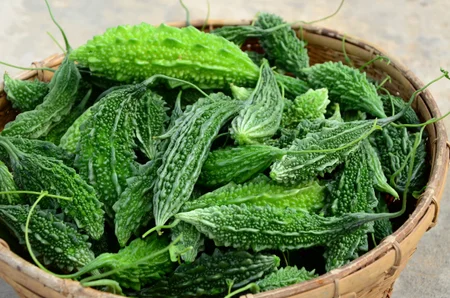
Few food items with tikta rasa: Bitter gourd, broccoli, neem leaves, coffee, teas etc.
Kashaya Rasa
Kashaya is dry, cold and heavy in its constituency. Therefore, it causes dryness, stiffness, inhibits blood flow, and causes obstruction of channels. It is, however, helpful in pacifying doshas.
Using it in high amounts may cause impotency, impaired digestion, facial palsy, and Vata-related ailments.
Examples of kashaya rasa food items: Legumes, pomegranate, rye, etc.
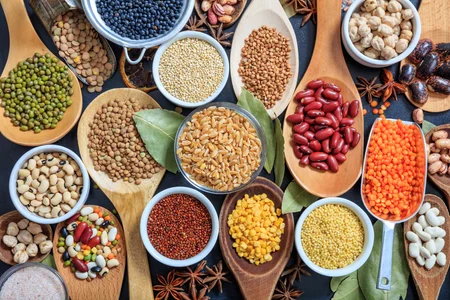
Now that you understand the importance of incorporating the shada rasa into your daily diet, you can choose from a variety of natural and healthy alternatives that suit your preferences.
Effect of Shada Rasa on the Three Doshas
A balanced state of tridosha is a hallmark of good health. However, various factors, including the six tastes in Ayurveda, can influence this delicate equilibrium.
Let me simplify to understand how your body reacts differently as per different rasa intake:
- Vata dosha – Katu, tikta, and kashya being laghu (light) in quality and common in properties with Vata dosha, aggravate Vata dosha and deteriorate Kapha dosha.
- Pitta dosha – Amla, lavana, and katu being agni (fire-dominating) in nature, increase the levels of Pitta dosha while madhura, tikta, and kashaya are responsible for reducing the levels of Pitta dosha.
- Kapha dosha – Madhura, amla, and lavana are guru (heavy) in the constituency and have common properties with that of Kapha dosha hence, these aggravate Kapha dosha and pacifies Vata dosha.
Each of the six tastes in Ayurveda have unique qualities that directly impact on your health. Incorporating “Shada Rasa Abhyasa” into your routine is not a one-time effort but a lifelong habit to maintain fitness and well-being. Once you understand the science behind these tastes, it becomes much simpler to enhance your longevity and support the health of your loved ones.





0 Comments