

Have you noticed how your eyes close in bliss when you place a piece of chocolate or something sweet on your tongue? Yet, they twitch when you taste a slice of lemon? This reaction comes from the unique effects of different rasa, or tastes, on your body.
Still a bit unclear?
No worries! As your Ayurveda guide, I’m here to walk you through the world of taste or rasa, with a special focus on madhura rasa – the sweet taste. This blog will give you an in-depth understanding of madhura rasa. Let’s dive in!
Introduction
Ayurveda, an ancient medical system, offers various approaches to reaching and maintaining optimal health. This being said, one of the most important and fundamental principles of Ayurveda includes the meaningful and healthy concept of shada rasa (six tastes).
Shada rasa incorporates six primary tastes in any diet i.e., madhura (sweet), amla (sour), lavana (salty), katu (pungent), tikta (bitter), kashaya (astringent). Rasa is a Sanskrit term for appealing “taste”. This concept not only makes you aware of the science of rasa but also the benefits associated with it. The tastes we enjoy can be transformative for our well-being. Each food and herb offers a unique taste, and when we savor them in harmony, they bring about amazing benefits!
This blog will help you understand the crucial role of madhura rasa or the sweet taste in your diet and how it can impact your health in a myriad of ways!
Understanding madhura rasa
As mentioned before, madhura rasa primarily refers to the sweet taste. It is characterized by the essence of taste it gives to your tongue and the effects it has on your body. The sweet taste nurtures the body and even soothes the mind. Common sweet herbs include almonds, comfrey root, dates, fennel, flaxseed, licorice, maidenhair fern, marshmallow, psyllium, raisins, sesame seeds, slippery elm, and Solomon’s seal. The food items with natural madhura rasa are a good source of carbohydrates, vitamins, fats, and antioxidants which help to provide energy and strength. This is the reason why sweet taste helps nourish your body when you consume it in an appropriate amount.
Composition of madhura rasa
The composition of each rasa is described beautifully in Charak Samhita (Sutrasthan Chapter 26, Shloka no. 40). The composition of sweet taste involves the combination of two mahabhuta i.e., jala (the water) and pruthvi (the soil/earth). These two elements are the heaviest forms existing among all 5 elements.
This composition makes the sweet food heavy in nature and hence, it is always difficult to digest it. Also, due to its composition, you will always have a sense of fullness compared to any other taste.

Benefits of madhura rasa
Madhura rasa brings numerous benefits to your physical as well as mental health. Charak Samhita describes the benefits in Sutrasthan chapter 26, Shloka no. 42 (1). Among shada rasa or the six tastes, sweet is the only rasa that promotes health to every tissue of the body. Let’s look at some more benefits:
Nourishment
Food items with madhura rasa are rich in essential nutrients like carbohydrates and vitamins which provide energy & nourishment to the body. This quality makes the sweet taste a beneficial rasa to make your recovery from certain types of illness faster.
Maintaining a sync of dosha
Madhura rasa primarily pacifies Vata and Pitta dosha and alleviates Kapha dosha. Imbalanced Vata dosha often leads to anxiety, dryness, and indigestion. The sweet taste in your diet can help fight these issues and balance the imbalanced Vata.
Meanwhile, imbalanced Pitta dosha is responsible for poor metabolism, improper digestion, burning sensations, and dull skin. Madhura rasa helps to reduce high Pitta dosha with its sheet virya (cold potency) property and eliminate the unwanted issues associated with it.
Emotional upliftment
The sweet taste is often linked with happiness and satisfaction. Consuming sweet food items may actually elevate your mood, relieve stress, and give you immense pleasure, which further brings instant calmness to your brain.
Consumption of sweet food items is not only associated with the activation of your primary gustatory processing brain areas but also linked with reward processing. The reward processing is nothing but the feeling of gratefulness after the consumption of sweet food. This is how madhura rasa helps uplift your emotional health.
Boosts immunity
Madhura rasa strengths all 7 dhatus (7 fundamental structures that maintain the fine working of the body) and their final product i.e., ojas. Ojas in the modern era are correlated with our “immunity”. Madhura rasa enhances the integrity of our immune system and ensures longevity by elevating the appropriate functioning of ojas/ immunity of our body.
Did you know that your physical, mental, and spiritual strength relies on ojas?
This vital life force, centered in your heart, provides deep satisfaction, strength, and nourishment. When ojas is abundant, you feel vibrant; when it’s low, it leads to fatigue, weakness, and increased susceptibility to illness.
Now that we’ve discussed the amazing benefits you can get from the sweet taste, let us understand some of the natural and healthy alternatives to incorporate madhura rasa in your life.
Different sources of madhura rasa
There are various sources where you can get a natural and healthy sweet taste, here are a few everyday food items that can help you reap the benefits:
Fruits
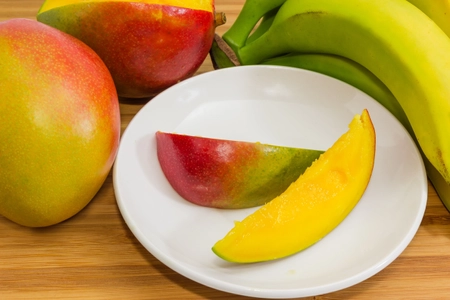
Various fruits like ripe bananas, mangoes, grapes, dates, figs, melons, etc., are packed with goodness of sweet taste.
Vegetables
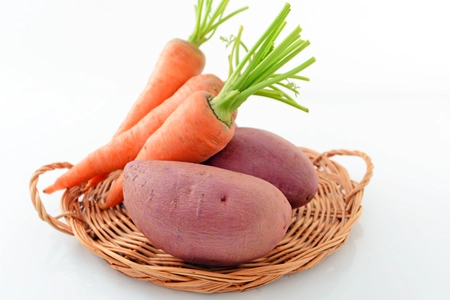
Vegetables like carrots, cucumber, olives, and sweet potatoes are good sources of madhura rasa.
Grains
Whole grains like corn, rice, wheat, etc., provide energy and nutrients and promote health.

Nuts and seeds
Almonds, cashews, coconut, pumpkin seeds, etc., contain a sweet taste and are good for overall health.

Dairy products
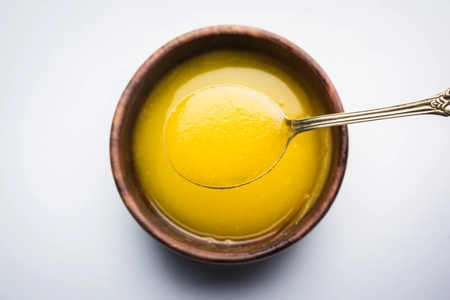
Products like milk and ghee are the best natural sources of madhura rasa or the sweet taste.
Do not overconsume madhura rasa
I know it is quite tempting for all of us to indulge in sweet food items as they are quite addictive to your tongue and brain. However, overconsumption of madhura rasa may alter your digestive fire (jathragni), and can cause loss of appetite (aruchi), laziness (alasya), excessive sleep (ati nidra), obesity (sthaulaya), diabetes (prameha), cough (kasa), asthma (shwasa), etc.
Excess consumption of madhura rasa can also lead to unhealthy cravings for sweet food items. Therefore, balanced consumption is the key.
Quantity of madhura rasa as per your body type
Our body types are different and so are our requirements. Let’s understand the amount of madhura rasa that you can add to your diet as per your body type:
Vataja body type
If you are someone who faces dryness, altered digestion, a thin body, rough texture of skin and hair, you probably have a Vataja body type. This means you should incorporate a good amount of Madhura Rasa into your diet. This will help you balance your Vata dosha. Additionally, it will help you to manage all the issues with this particular dosha.
Pittaja body type
If you often face issues like burning sensation around the stomach area, acidity, instant digestion, premature greying of hair, hair loss, bald patches, and skin issues like acne, then you are a Pittaja body type. In this case, you can introduce a good and healthy amount of Madhura Rasa in your diet as this will help you manage your high Pitta dosha, which will ultimately cure all the issues associated with it.
Kaphaja body type
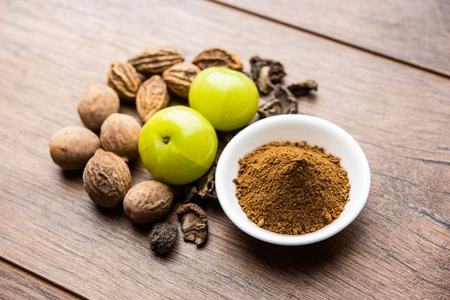
If you own a body with a strong build, heavy voice, oily skin, poor digestion, and are prone to obesity, you are a perfect Kaphaja body type. To manage your issues, you should avoid consuming high amounts of Madhura Rasa. This doesn’t mean that you should avoid it altogether; you should surely involve Madhura Rasa in your diet but in a very low or moderate amount or by mixing it with other herbs to minimize its effects. For example, consuming ghee induced with Triphala or Trikatu will help you to keep the moisture this combination provides but also won’t block your body’s channels because of the presence of the sweet taste.
Conclusion
Madhura rasa is an important part of one’s diet. It influences your dietary practices, emotional well-being, and overall health. Incorporating it in a balanced amount in your diet will help you elevate your emotional stability and overall vitality.
An appropriate amount of Madhura rasa in your diet can bring incredible positive changes to your health. It can even promote nourishment to your body, mind, and soul, which will further bring you confidence to face the world in a way you always wanted.


0 Comments