

Have you ever wondered why some people can handle spicy food easily, while others feel their mouth is on fire? According to Ayurveda, taste isn’t just about preference, although it directly influences our health! Among the six essential tastes or rasas, katu rasa (pungent taste) plays a vital role in digestion, detoxification, and metabolism. But wait, does eating too much of katu rasa cause harm?
Can this help with weight loss? How do you balance katu rasa in your meals? Let’s explore katu rasa and transform your health for overall well-being.
What is Katu Rasa/Pungent Taste?
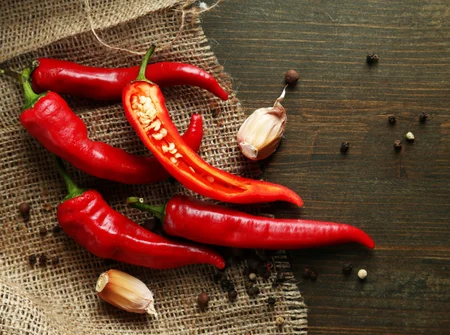
Katu rasa, or pungent taste, is characterized by that sharp and spicy flavor that we all have experienced with chili or hot peppers. It is the fourth rasa that falls in the list of shadarasa (six tastes in Ayurveda) associated with qualities of heat. As per the reference of Charak Samhita Sutrasthana chapter 26 shloka 46, katu rasa is the lightest (laghuttam) rasa out of all shadarasa. The light nature of the pungent taste is due to its unique composition, which includes vayu as the first mahabhut to participate in its constituency. It is considered one of the best tastes to be consumed by obese patients as it promotes “sleshmanam shamyati,” i.e. decreases the levels of Kapha in the body (Charak Samhita Sutrasthana, chapter 26).
Composition of Pungent Taste
The composition of katu rasa involves the participation of two mahabhuta, including vayu (the air) and agni (the fire). These two elements support each other, as fire needs oxygen for its ignition. When we think of air and fire together, all we can think of is hotness, dryness, and lightness, right? These are all the properties that katu rasa possesses due to its composition.
Properties of Pungent Taste
Katu rasa, or pungent taste, has the following properties:
- Ushna (hot potency): The presence of a fire element makes it hot in potency rasa, which generates heat in the body and promotes better digestion and metabolism.
- Laghu (lightness): The involvement of air elements makes it the lightest rasa, which helps to manage various Kaphaja disorders such as obesity.
- Ruksha (dryness): The combination of fire and air elements makes it a dry rasa, which can help to manage excess moisture (snigdhta) in our body.
Effect of Pungent Taste on Three Doshas
- Effect on Vata dosha: Since katu rasa involves vayu (the air) element in its composition, it alleviates the levels of Vata dosha in our body after consumption. So, if you are someone who has a very thin body built with a dry texture of skin, then you must try to avoid excess consumption of katu rasa, as this will elevate your Vata dosha, leading to various Vataja issues in the future.
- Effect on Pitta dosha: Pungent taste is a component of agni (the fire) as well, and Pitta is nothing but the form of fire only. Therefore, it increases the levels of Pitta dosha in the body. Individuals with a normal body build, along with regular issues of acidity and gastritis, are not suggested to incorporate more than the required amount of pungent taste in their diet to avoid any Pitta-aggravating instances.
- Effect on Kapha dosha: All the properties like lightness, dryness, and hotness that katu rasa possesses are exactly opposite of those of Kapha dosha. So, we can conclude that katu rasa pacifies Kapha dosha. If you are an individual with an obese body type and are always lethargic, then katu rasa is your perfect pick. This will not only help manage health issues but will also balance increased Kapha dosha. This will ultimately bring you a sense of freshness and activeness with a better metabolism of the body.
Health Benefits of Pungent Taste
Katu rasa offers various benefits in terms of balancing dosha and metabolism in the body. Here are a few of the benefits that pungent taste offers:

- Digestive aid: Katu rasa promotes “agni deepan,” i.e., the ignition of the digestive fire, which eventually enhances the appetite and improves digestion and related issues. Hence, it is a good alternative for people with anorexia or indigestion.
- Detoxification: Pungent taste is dry, hot, and light in nature, which makes it a good choice for detoxifying ama (undigested food), upchaya (accumulation of fat), and abhishyand (feeling of stickiness in the body).
- Circulation and blood flow: Pungent taste is “rakta sanghatak,” which means it destroys any clots in the blood, facilitating better blood flow and overall vitality.
- Clears channels: Katu rasa is known for its “margan shodhyati” property, which is the clearing of various channels in the body. As a result, consuming herbs with katu rasa is recommended for individuals dealing with allergies, bronchitis, and similar respiratory conditions.
Read more: Understanding Madhura Rasa: The Sweet Taste In Ayurveda
Sources of Katu Rasa or Pungent Taste
Here is a list of foods and herbs with katu rasa that you can add to your daily diet.
- Spices: These include black pepper, chili pepper, ginger, mustard seeds, and garlic. Adding one or two of them to your daily routine can help manage your digestion issues easily.
- Vegetables: One can include vegetables like radishes, onions, and garlic among others.
- Grains: Grains like buckwheat and nuts like mustard seeds also come under the foods with katu rasa.

Contraindications of Katu Rasa
While we recognize the numerous benefits of katu rasa, it is equally important to understand when its consumption should be limited to prevent potential health issues.
- High Pitta: Individuals with a dominant Pitta dosha already have excess heat in their bodies, which makes them more prone to hyperacidity, gastritis, ulcers, and acid reflux. Therefore, these people should avoid consuming excess pungent foods.
- Pregnancy: Women who are pregnant should limit their katu rasa consumption, as it may cause heartburn and other digestive discomforts.
- Infertility: Katu rasa performs “punsava uphanti,” which means it deteriorates the fertility of an individual by its katu vipaka property.
- Acidic conditions: Individuals with issues like hyperacidity or related concerns should avoid consuming katu rasa, as it will elevate the intensity of acid and may cause problems.
Read more: 5 Ayurvedic Herbs for Bloating: Heal Gut Naturally
Conclusion
In summary, katu rasa plays a vital role in promoting overall health. Its stimulating properties offer numerous benefits, particularly for digestion and respiratory health. However, mindful consumption is essential, as excessive intake can disrupt the dosha balance and exacerbate existing conditions.
Incorporating pungent tastes into a well-balanced diet can help regulate doshas and support long-term well-being. To ensure the best results, always consult an Ayurvedic practitioner before making dietary changes to align with your body’s unique needs.


0 Comments