

Gluten-free diets have been growing in popularity for about 20 years now but in recent years, has really taken off. But why are so many people giving up gluten? Why do they feel better when they do? And is it really necessary? In this article, I’ll attempt to answer these questions and try to give an Ayurvedic perspective on the subject.
What is Gluten?
Gluten is a protein complex made up of gliadin, glutenin, and starch. It is found in several grains such as wheat and related grains including: semolina, bulgar wheat, durum wheat, einkorn wheat, spelt, barley, malt, rye, kamut, triticale etc. It is the food complex that gives elasticity to dough, as well as makes the bread chewy and the pasta stretchy.
Gluten is mainly found in food products made from grains, naturally containing it. However, it is also used as a protein additive to food items that are low in protein or those requiring its specific textural properties. For example, it is used in:
- Imitation meats
- Beer
- Soy sauce
- Dressings
- Gravy
- Ketchup
- Canned soup
- Stock cubes
- Frozen or canned vegetables in sauce
- Even ice cream
Extra gluten is also generally added to commercially produced breads as it makes the dough rise more easily. Gluten also improves the uniformity, structure, and texture of the bread. Oddly, it is also found in a variety of cosmetics, hair, and skin products.
What is a Gluten-free Diet?
Strict gluten-free diets involve giving up all of the foods and products mentioned above, not just wheat-based foods. If super-strict, they may also involve giving up products processed on the same manufacturing equipment as gluten-containing products or grains grown in the same fields as wheat products (such as oats).

Why are People Giving up Gluten?
Gluten is particularly difficult to digest and requires strong stomach acid to process. If enough acid isn’t produced or excreted due to a weak digestive fire, the gluten will pass through to the small intestine, undigested. If consumed in excess, it can irritate the intestinal villi on the gut wall and affect your digestion and absorption.
About one in 100 people give up gluten because they have celiac disease. Celiacs are allergic to gliadin, one of the proteins in gluten. Upon exposure to this protein, their bodies initiate an auto-immune response. This severely damages the intestinal villi (inflammation, shortening, and flattening of the villi). As a result, there is far less surface area available for absorption of nutrients. This further leads to malabsorption, malnourishment, weight loss, and fatigue issues.
It is believed that to develop celiac, you must be born with a genetic predisposition for the disease, and then environmental factors contribute to triggering it.
However, most people give up gluten and switch to gluten-free diets because their friends or health practitioners make a connection between painful indigestion (bloating, gas, constipation or diarrhea) & eating wheat. So, rather than just canning wheat, they believe they may be gluten-sensitive or gluten-intolerant. When they go gluten-free they usually feel better which, they believe, confirms the diagnosis.
Is Gluten Really the Problem?
Human beings have been cultivating and consuming gluten-containing grains for about 12,000 years. Technically, most of us should be perfectly capable of digesting gluten. However, there has been a 400% incidence in the rate of celiac disease in just the last 40 years.
What is going on? Is gluten really the problem…. or is it slightly more complicated than that? Here are the broader (and usually un-mentioned) issues, as I see it:
Modern Wheat
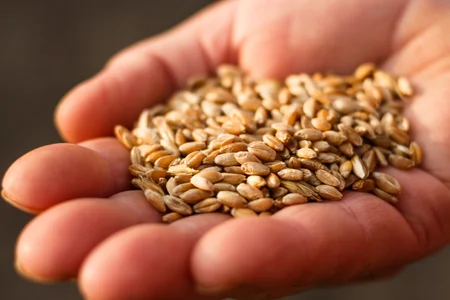
The wheat that is cultivated and grown today bears little resemblance to its ancestors or even to wheat from the 1970’s. Wheat has been manipulated to a huge extent in the last 40 years through crossbreeding techniques to create a super high-yielding crop. Modern wheat not only contains more gluten, the amino-acid chains within the glutenin and gliadin proteins have undergone significant changes with not-so-good consequences. For example, gliadin has become a potent appetite stimulant.
The number of lectins in modern wheat have increased significantly too. This includes a very nasty little chemical called wheat germ agglutinin (WGA) – wheat’s inbuilt pesticide. What it actually does is create mucosal injury and inflammation! It is also thought to be an immunotoxin, neurotoxin, cytotoxin, cardiotoxin, and can interfere with gene expression, endocrine and gastric function, amongst other things.
Research is beginning to reveal that modern wheat’s biological code is wreaking havoc with the hormones related to obesity and diabetes. It seems that modern wheat cultivation is bad news for our health.
But this doesn’t mean we need to give up gluten. There are other glutinous grains, like spelt, which have remained virtually untouched by science and agriculturalists for hundreds of years, These are much, much easier to digest than modern wheat and much better for you.
Processed Foods
Let us start with modern high-gluten wheat—often referred to as a “franken-grain.” Not only is it already high in gluten, but food manufacturers further increase its gluten content when making bread and pasta to enhance texture, shelf life, and appearance. On top of that, gluten is added to a wide range of processed foods, significantly increasing our overall gluten intake.
But this doesn’t mean you have to give up gluten entirely. You simply need to reduce your reliance on highly processed products and start eating real, home-cooked meals again.

Compromised Digestion
Another reason you may have difficulty digesting gluten is because your digestion is compromised. It might be weakened to such an extent that it has stopped producing enough acid or secreting enough of that acid required to break down this protein complex. An inability to digest gluten is a sign of your digestion not working properly. Remember, if you’re not digesting gluten properly, you’re not really digesting anything properly!
But this still doesn’t mean gluten itself is the problem. You simply need to learn how to eat and live in ways that promote strong, balanced digestion, and the appropriate elimination of toxins.
Lack of Dietary Diversity
The modern Western diet relies far too heavily on gluten-rich, wheat-based products, leading to an excessive intake of gluten. Bread, pasta, biscuits, cakes, and pizza have become dietary staples, often consumed at every meal, every single day. This lack of dietary variety has left us nutritionally imbalanced and overexposed to gluten. However, gluten itself isn’t the villain—the real culprits are ultra-processed foods made from genetically altered wheat. Instead of blaming gluten, we need to cut down on these processed products or consume them occasionally while embracing a more diverse and balanced diet.

Pros of Gluten-Free Diets
The main benefit of a gluten-free diet is giving up modern wheat products and gluten-enhanced processed foods. It also often leads to people consuming more fruits and veggies, and less processed foods. This is a wonderful thing that will have an immediate effect on many of their symptoms of indigestion.
And the benefits might not stop there! People on gluten-free diets may also enjoy more energy, fewer aches and pains, more stable moods, and even lose weight (if they need to) or gain a little (if they’re depleted from malabsorption). But this all depends on what they choose to eat… and it isn’t necessarily from eradicating gluten.
Cons of Gluten-Free Diets
The main problem with gluten-free diets is that most people don’t actually want to change their eating habits. They still crave bread, pasta, cakes, biscuits, and pizza (which is understandable). So, they go gluten-free versions of these foods, conveniently produced by the same food manufacturers that contributed to the problem in the first place!
The problem is that many of these products are made from highly refined flours. These include potato and tapioca which are low in fiber, vitamins, and minerals, and have high GIs, and are heavy and difficult to digest themselves. For this reason, it is just as likely for people to gain weight going gluten-free as it is for them to lose it. One should note that gluten-free doesn’t necessarily equal healthy…. or slim.
A gluten-free diet is, at its core, an elimination diet, and all elimination diets come with stress. Whether you’re eating out, visiting a friend’s house for dinner, or grocery shopping, you’re constantly navigating a world that revolves around wheat and gluten-laden products. While it’s getting easier to avoid gluten, it’s still not easy.
It isn’t easy because a lot of people who choose this path to avoid genuine discomfort are being labelled as ‘fad-diet followers.’ If you read any forums on the subject, they are full of people feeling misunderstood and judged by others who know nothing of their discomfort. *Not a nice feeling*
Root Cause of Gluten Intolerance
These challenges exist with many diets. The real problem with the gluten-free diet is that it doesn’t address the root issue, which is poor digestion. If your digestion is strong, you likely won’t feel the need to go gluten-free (at least not for long). Agreed? But the diet itself does nothing to fix compromised digestion, simply removes the aggravating factor without healing the underlying issue. As a result, the gluten-free diet becomes a lifelong restriction rather than a solution.
As established before, if you can’t digest gluten properly, chances are you’re struggling to digest many other foods as well. More importantly, your body may also struggle to eliminate toxins effectively. From an Ayurvedic perspective, weak digestion is actually the root cause of all disease. So rather than just eliminating gluten, shouldn’t the focus be on healing digestion itself?
The Ayurvedic Perspective on Going Gluten-Free
Ayurveda is a 5,000-year-old science; so when it talks about wheat, it refers to its more ancient forms and not modern wheat. When I was studying Ayurveda, my teacher was very passionate about helping people eat wheat again. He would get on his soap box regularly, drilling into us that wheat and gluten are not necessarily the problem – the way we prepare them and imbalanced agni are. He said of the thousands of people he’d consulted over the years claiming to have gluten-intolerance, he could count on two hands the number of people who were actually suffering from this condition. The rest just had compromised digestion.
Having said that, it should be pointed out that Ayurvedic diets are naturally very low in wheat and gluten anyway. When eating as per Ayurvedic principles, you tend to avoid leavened bread altogether, eat pasta only very occasionally, and instead, eat a diverse selection of other flours and grains like rice, millet, buckwheat, quinoa, moong flour, and chickpea flour. But when gluten does come along, you can digest it with greater ease due to what you’ve been eating in-between. Or at the very least, you know what to eat to help your digestion recover afterwards.
A Perspective on Ayurvedic Diet
Ayurvedic diets are designed to balance the elements in your body, cleanse toxins, and build immune strength. Moreover, they cultivate a peaceful mind and encourage strong, balanced digestion. If you see a practitioner, every diet prescribed will be slightly different based on the individual’s current state of health, digestive strength, time of life, and/or even the climate they live in. Practitioners will always tell you to avoid processed foods and may also suggest you avoid wheat for a time, particularly in cases of compromised digestion. If not forever, then at least until your digestive strength has been restored. But they will rarely focus on gluten specifically (unless you’re a Celiac, of course).
Ayurveda teaches that wheat is a heavy, sticky, unctuous grain and agrees that it is very difficult to digest. When it is combined with yeast (as it usually is when making bread), it becomes even heavier, stickier, and more difficult to digest. And when it is eaten un-toasted and stale, it becomes heavier again. In the West, we tend to eat our heavy wheat with other very heavy and difficult-to- digest foods like meat, eggs, and cheese. The combining of ‘heavies’ makes things even more difficult for your Agni! No wonder so many people suffer from digestive issues.
Read More: Ayurvedic Diet for Healthy Gut
How to Include Wheat in Your Diet?
But wheat is also considered a very strengthening and grounding grain that deeply nourishes the tissues. Therefore, eating it can be important, particularly for certain constitutions. To help ensure we can eat wheat if we need to, Ayurveda teaches simple methods of preparation to make it lighter and easier to digest:
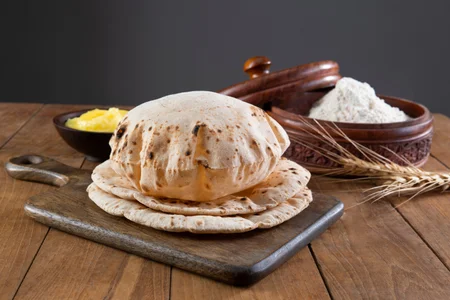
When it comes to bread, it recommends only eating yeast-free bread or making your own chapattis, only eating them occasionally. Chapattis are made from kneading flour and water, then roasting the bread on a high flame until the bread puffs up like a balloon. This process introduces qualities of dryness and lightness to this heavy, oily grain. When making semolina porridge or halva, the grains are thoroughly dry-roasted at the beginning of the cooking process to make them lighter. Plus, they’re cooked with digestive-enhancing spices like cinnamon and cardamom. When making pancakes or biscuits, wheat flour is often mixed with buckwheat flour (which is astringent) to create a more balanced flour.
Focus on Seasonal Eating
Another important point to mention is that, in traditional times, wheat and other glutinous grains were harvested in the Autumn. It was then consumed during Winter when your digestive fire is at its strongest. They were never designed to be eaten day in, day out, all year round. The well-known American Ayurvedic Physician Dr John Douillard recommends keeping your eating of these heavier, building, or insulating foods to the Winter season, adopting a more seasonal approach to eating, as nature intended. I think this is very cool advice!
But the most important Ayurvedic advice is to take steps to learn about your digestive fire – your agni. Learn what the states of imbalanced agni are and how to feel them in your body. Then, learn about the simple choices you can make and practices you can follow on a daily basis to cultivate strong, balanced digestion for your whole life. This knowledge will set you free! You can still eat a variety of glutinous grains as part of a varied, crazy-delicious diet.
If you are a Celiac, Ayurveda also offers great hope in terms of repairing damaged gut walls and immune systems. It is unlikely you’ll eat gluten again, but you can certainly enjoy better digestion, absorption, and more robust health generally. As this is a serious condition, more in-depth treatments like Panchakarma, specific diets, and herbal medicines, over a long period-of-time are prescribed.

Final Advice
Rather than giving up ALL gluten straight off the bat (unless you have Celiacs – then you have to), first try:
- Giving up products containing modern wheat (including durum wheat)
- Giving up processed products with gluten in them
- Seek out products made with spelt, kamut, or einkorn wheat instead
- Try cooking with spelt flour instead of wheat (it is readily available)
- Don’t eat glutinous grains all the time!
If the ancient wheat varieties still don’t sit well with you, by all means, go gluten-free but when you do, don’t just replace your current diet of processed bread, pasta and cookies with a diet of processed gluten-free bread, pasta and cookies. It won’t do you any good in the long run!
Instead, use the opportunity to branch out! Learn how to cook with a variety of gluten-free grains and seeds including rice, buckwheat, millet, corn, amaranth, sorghum and quinoa. If you are going to eat gluten-free products, choose ones from small manufacturing companies who know their stuff and put real love into their creations. For example, the ravioli guy at the Mullum Farmers Markets offers fresh gluten-free pasta, and I’m pretty sure they’d be awesome because he is so, so passionate about his work!
Finally, think about seeing an Ayurvedic Practitioner to help heal your digestion and consider adding Ayurvedic cookbooks and recipes to your gluten-free range.





0 Comments