

Ah, summertime—the season of beautiful sunny skies and outdoor adventure! We all love that warm caress of sun on our skin, don’t we? But let’s be real: those sunny caresses aren’t always gentle! Sometimes, the sun gets a little too passionate, leaving us with the infamous sunburn! But don’t worry—we’ve all been there! Before you step outside again, take a moment to explore some natural remedies for sunburn that can help soothe your skin and speed up recovery.
Ayurveda offers a treasure trove of healing ingredients and time-tested solutions to calm sun-damaged skin. Read on to learn all about natural remedies for sunburn along with simple, sun-smart tips to protect your skin and prevent burns or heat rashes in the future!
What Does Ayurveda Say About Sun Exposure?
Did you know that Ayurveda has its own term for sun exposure? It’s called ‘Aatap Sevan,’1 and it is an intriguing concept that highlights the dual nature of the sun’s influence on our health. In Ayurveda, the sun is both a healer and a challenger, offering benefits when used mindfully and harm when overindulged.
This 5000-year-old wisdom emphasizes the therapeutic potential of aatap sevan, especially for practices like fasting 2 and sweat-inducing therapies. Imagine harnessing the sun’s energy to help detox and refresh your body, or even in the process of weight management It’s a unique way to embrace the sun’s energy while nourishing your body from within. But it is not for everyone!
Just as each person has unique needs and constitution, the suitability of aatap sevan (or exposing yourself to the sun’s rays) varies from individual to individual. Ayurveda recognizes the importance of understanding one’s body type, known as doshik prakriti, before engaging in any practices.
The sun’s rays ignite Pitta dosha, the fiery energy that governs our metabolism and digestion. However, when Pitta becomes imbalanced, it can lead to a condition called “Rakta Dhatu Dushti,” disrupting the harmony within our blood tissue. This, in turn, may contribute to a variety of Pitta-related disorders.4 Hence it is recommended only in individuals with Vata and Kapha dominance 3. For those with Pitta imbalances or sensitive skin, aatap sevan might be better approached with caution and adequate protection. Excessive sun exposure can trigger a host of pesky problems, ranging from skin issues to hair fall and more. But fear not, fellow sun seekers! Ayurveda’s wisdom doesn’t advocate shunning the sun altogether. Instead, it urges us to find balance and practice mindful sun exposure.
Ayurveda’s Guide to Sun Exposure
Did you know, Ayurveda’s wisdom about sun exposure aligns with the rhythms of nature? This ancient science recognizes six seasons, each with varying sun exposure recommendations.1
- In winter and fall: It is recommended to soak up the sun’s warmth to counterbalance the cold, dry winds.
- In summer: Be cautious—the summer sun’s intensity can harm sensitive skin and even well-being.
- In autumn: It is the season wherein the Pitta dosha peaks, so it is advised to limit sun exposure to avoid imbalance.
Regardless of the seasonal variation, basking in the early-morning sunlight for just 15 to 20 minutes each day works wonders! This simple practice helps your body produce essential vitamin D and brings harmony to your hormonal levels. So, step outside, embrace the gentle rays, and let nature’s healing touch brighten your day and uplift your well-being!
Here’s a relevant blog that you may like to read: Explore Ayurveda’s Perspective on Suntan: Causes and Remedies
Managing Sunburn the Ayurveda Way
When Pitta dosha becomes aggravated, it impacts rakta dhatu (blood tissue), leading to rakta dushti (vitiation of blood)—the root cause of sunburn. Acharya Charak also identified vyanga vyadhi (hyperpigmentation) as a common result of sun exposure.5
Thankfully, Ayurveda offers natural remedies for sunburn to calm the fiery aftermath. Here are a few Ayurvedic tips and tricks to help with sunburn:6
- Cooling baths: Cooling therapies are Ayurveda‘s secret weapon against sunburn. Take a refreshing dip in a bathtub filled with cool water infused with a few drops of lavender or chamomile essential oil. It’ll calm your sunburned skin and your senses.

- Herbal Compress: Take a cup of chilled rose water (if you’re Pitta) or brew a cup of neem decoction (if you’re Kapha) or lavender tea (if you’re Vata), let it cool, and soak a soft cloth in the herbal infusion. Gently apply the compress to the affected area for instant relief.
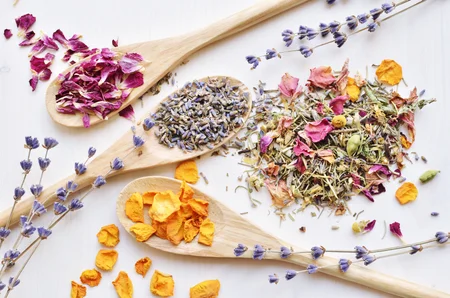
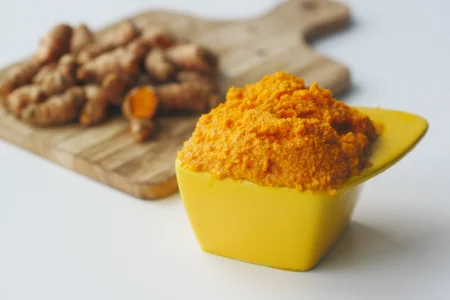
- Herbal pastes: The fragrant sandalwood paste can work wonders for you and acts as one of the best natural remedies for sunburn. Its cooling effect calms the irritation and leaves your skin feeling refreshed. Additionally, you can use manjistha or turmeric paste to help reduce the inflammation.7
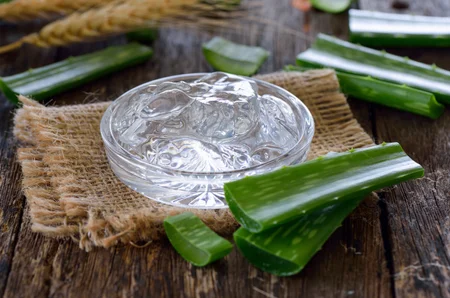
- Aloe Vera: Of course, this superstar of skin care ought to make the list! Aloe vera’s soothing gel is a go-to remedy for sunburn. Its anti-inflammatory properties help reduce redness and promote skin healing.8
- Pro tip – Mix a pinch of turmeric with aloe vera gel for a cooling sunburn balm.
- Washed Ghee: Washed Ghee or shatdhouta ghrita9 is no ordinary ghee. It undergoes a special purification process where it’s washed a hundred times with cold water. This unique preparation gives it exceptional healing powers that can work wonders on sunburnt skin. All you need to do is rub a few ice cubes with a tablespoon full of ghee and here you go with a cooling and moisturizing balm that feels like a soothing embrace for your skin.

Dosha-Specific Natural Remedies for Sunburn
Vata Dosha
If you have a Vata-dominant constitution, sunburn can be quite bothersome, leading to dryness, sensitivity, and redness on your skin. That’s why it’s essential for Vata individuals to take extra care and soothe their skin.
Vata’s skin is like a delicate flower that needs extra tender loving care. After being out in the sun, it’s essential to pamper your skin with soothing and nourishing oils with an added gentle massage; you may use castor oil, calendula oil, eladithailam, or nalapamaradithailam for the same.
Pitta Dosha
Sunburn is a classic Pitta imbalance! Pitta individuals are naturally warm, and too much sun exposure can tip the scales. After a scorching day under the sun, Pitta individuals need to give their skin hydrating and cooling treatments. You know how the heat can leave our skin feeling all red and irritated, right? Don’t worry, there’s a simple and effective solution for you! Treat your skin to a relaxing massage using Pitta balancing oils like coconut oil, rose oil, eladikerathailam, or nalapamaradikerathailam, and you’ll be amazed at how it calms and soothes your skin in no time.
Kapha Dosha
Sunburn might not be something that Kapha people encounter often, but hey, too much sun can still get to you! You know how it goes – dampness and congestion can creep up, leaving your skin feeling less than happy.
For all Kapha people, a natural remedy for sunburn can be performing a gentle massage using neem oil, frankincense oil, and geranium oil can work as a fantastic remedy.
ADVERTISEMENT
Do’s & Don’ts – Sunburn Edition!
| DO’s | DON’Ts |
| DIET | |
| Drink plenty of water, coconut water, and Ayurvedic cooling drinks such as kokum juice, or cooled coriander decoction, throughout the day to keep your body and skin hydrated. | Avoid caffeine and alcohol to prevent dehydration, and steer clear of very cold or iced beverages and foods, as they can aggravate all three doshas. |
| Opt for sweet and juicy fruits like ripe mangoes, apples, and peaches. | Minimize your salt intake, as excessive salt can dehydrate the body. |
| Incorporate foods that have natural anti-inflammatory properties, such as turmeric, ginger, and cinnamon. | Stay away from sour and acidic foods like lemon, tamarinds, oranges, grapes, and vinegar. |
| Consume healthy fats like ghee, coconut oil, and avocado. | Cut down on dairy products as they can be heavy and mucus-forming and may not be well-tolerated during sunburn. |
| ROUTINE & LIFESTYLE | |
| Wear loose, soft, and breathable fabrics to prevent additional irritation to the sunburned skin. | Avoid staying in air-conditioned environments for too long as it can dry out the skin. |
| Take cool showers to help soothe the skin and reduce inflammation. | Avoid hot baths or showers, as they can further aggravate sunburn. |
| When washing the sunburnt area, use gentle, non-abrasive cleansers to avoid further irritation. | Avoid scratching or peeling the sunburnt skin, as it can delay the healing process and increase the risk of infection. |
When it comes to dealing with a mild heat rash, these natural remedies for sunburn provide much-needed relief. But for that extra dose of personalized care, it’s a great idea to reach out to an experienced Ayurvedic physician. They’ll customize the remedies to fit your specific needs and make sure you get the absolute best solution possible. So, don’t hesitate to seek guidance and let the healing hands of Ayurveda work wonders on your sun-kissed skin!
On the ending note, let’s remember this: just like in life, balance is the key to enjoying the sun’s warm embrace. Ayurveda reminds you to be mindful of your unique needs, guiding you to find harmony and balance in all spheres of your life!
So, the next time you venture out under the sun’s loving gaze, take a moment to cherish its gifts. Feel the gentle rays on your skin, let the warmth fill your soul, and embrace the joy of being alive. And if a sunburn decides to tag along on your journey, fear not! With Ayurvedic remedies at your side, you’ll find comfort and relief at every step!


0 Comments