

Imagine a spice so powerful that a mere pinch can transform both flavor and health. For many, Asafoetida is just a culinary gem, but the 5000-year-old science of Ayurveda has something different to say. Known for its intense aroma and potent medicinal properties, this resin has been an integral part of traditional healing for centuries.
Read along as we bring to you the rich world of this ancient wonder and uncover its remarkable uses and medicinal benefits!
Historical Significance
Dating back to antiquity, asafoetida or hingu has played an integral role in Ayurveda and finds its mention in revered classical texts like the Charaka Samhita and Sushruta Samhita. Traditionally, it is prescribed as a therapeutic remedy for a wide array of ailments, including digestive disorders, respiratory problems, and even as a rejuvenative tonic for restoring good health. Asafoetida is a pungent resin extracted from the roots of Ferula asafoetida, a plant species native to arid landscapes of Iran and Afghanistan. Due to its strong odor, it can sometimes be referred to as “devil’s dung”. Its pharmacological significance extends from supporting & maintaining digestive wellness to enhancing respiratory function, owing to its rich composition of bioactive compounds.
Names of Asafoetida in Different Languages
English – Asafoetida
Hindi – Hing
Sanskrit – Hingu, Hingula
Asafoetida as Described in Ancient Ayurvedic Texts (Shloka verse)
अगूढगन्धं जरणं जन्तुघ्नं सूपधूपनम् । हिङ्गुष्णं तिक्तकटुकं रसे पाके च दीपनम् ॥ १२१० ॥
लघ वातकफाना हशूलगुल्माग्निमान्द्यजित् । पाचनं कृमहिद्रोगकासश्वासोदरात्र्त्तिनुत् ॥ १२११ ॥
Kaidev Nighantu – Aushadhi Varga – Shloka No. 1210-1211
हिड्छु रामठमत्युग्रं जन्तुध्नं भूतनाशनम् । अगूढगन्धं बाह्लीकं जरणं सूपधूपनम् ॥ ३६ ॥
हिङ्गुष्णं कटुकं हृद्यं सरं वातकफौ कृमीन् । हन्ति गुल्मोद्राध्मानबन्धशूलहृदामयान् ।। ३७ ।।
Dhanvantari Nighantu – Shatapushpadi Varga – Shloka No. 36-37
Appearance of Asafoetida Plant
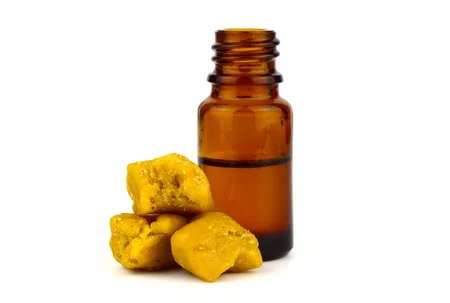
Derived from the gum resin of Ferula asafoetida, hingu comes from a large, herbaceous perennial with a thick, bulbous root. When the root of the plant is incised or cut, it secretes resin that solidifies upon exposure to the air. This resin appears as a hard, yellowish-brown gum, which is later ground into a fine powder for culinary and medicinal use. When dissolved in water, it forms a viscous, yellowish solution.

Ayurvedic Properties of Asafoetida
Rasa (Taste): Hingu is pungent in taste and acts as a specific indicator of its therapeutic action.
Guna (Characteristics): Ayurvedic texts mention it to be light, piercing (sharp), and dry in nature, making it beneficial for digestion and detoxification.
Virya (Potency): Heating is the virya attributed to hingu, and hence, it works against cold and damp conditions of the body.
Vipaka (Post-Digestive Effect): Asafoetida has a pungent after-taste; this is a confirmation of its stimulating role in digestion and metabolism.

Benefits of Asafoetida as per Modern Science
Asafoetida is a powerful agent that works wonders in your gastrointestinal tract, getting rid of food blockages & keeping things moving smoothly. It’s fantastic at breaking down stubborn, stuck-on bits of food, especially if you’ve been indulging in lots of meat or junk food. Plus, it helps get rid of worms, particularly roundworms & threadworms.
Not only does it do all that but also helps boost the agni (digestive fire), making sure everything gets processed properly. With asafoetida on your side, your digestion will be unstoppable! Here are some benefits of asafoetida as elaborated by modern science:
Digestive Support
Ferula asafoetida has tremendous results in treating gastrointestinal disorders, particularly flatulence, bloating, indigestion, and gastric ulcers. Consuming hingu powder dissolved in warm water can help treat and soothe digestive discomfort.1
Read More: How to Cure Acidity with Ayurveda?
Menstrual Health
Hingu is valued in Ayurveda for supporting women’s reproductive health. It helps with concerns like sterility, dysmenorrhea, amenorrhea, leucorrhea, and even abortion-related issues. Its powerful digestive and anti-flatulent properties make it especially beneficial for postpartum recovery. In some parts of India, women receive hingu churna (powder) mixed with rice after delivery to aid digestion and overall well-being.
Anti-Coagulant Properties
Research has demonstrated Hingu’s role as a significant vasodilator and a muscle relaxant, aiding in reducing blood pressure. Additionally, it is shown to exhibit hypolipidemic effect and fibrinolytic activity.
Chemoprotective Potential
Ferula asafoetida treatment significantly reduced the levels of cytochrome P450 and b5 in cancer patients, suggesting a potential role in cancer therapy.
Asafoetida Uses in Ayurvedic Therapy
- Resin (Oleo gum resin): Extracted from the plant’s root and rhizome, it is used in making pickles, as a digestible aid and a condiment. After collection, hingu is dried and powdered into a yellow powder and used for various purposes. The resin is greyish when fresh and turns into an amber color later. It helps in treating whooping cough, stomachache, indigestion, asthma, bronchitis, epilepsy as well as flatulence.
- Oil: Extracted and obtained from the resin, this is used in hingu oil preparation for relieving abdominal pain.
- Hingu Paste: Asafoetida as a paste, when applied externally, helps alleviate cough, asthma, bronchitis, COPD, and other respiratory disorders.
- Leaves and Young Shoots: These are occasionally used for culinary and medicinal purposes.
Medicinal Uses of Asafoetida as per Ayurveda
- Pitta vardhaka – Increases Pitta dosha owing to its hot potency (ushna virya).
- Vatakapha shamaka – Reduces Kapha and Vata dosha in the body, promoting balance.
- Deepana – Acts as a digestive stimulant and carminative; helps to treat indigestion, gastric ulcers, and stomachache.
- Vedana Sthapana – Can be used to relieve pain by applying a lepa (paste) over the affected area.
- Shothaghna – Helps to reduce swelling as it is a potential anti-inflammatory herb.
- Jwaraghna – Functions as an anti-pyretic agent to reduce fever and maintain the body temperature.
- Balya – Strengthens the body and immune system.
- Anulomana – Effectively treats flatulence issues and gas.
- Vajikarana – Acts as an aphrodisiac agent.
- Krimighna – Used to treat worms as an anti-helminthic drug.
- Sheetaghna – Helps in maintaining homeostasis of the body.
- Sangya Sthapana – Can also be useful in cases of unconsciousness.
- Aartav Janak – Indicated in many female reproductive disorders to improve their health.
- Mutraghna – Helps treat cases of painful micturition as well as acts as a diuretic agent.
- Kasaghna – Can be indicated in respiratory disorders like cough and asthma.
- Shwasaghna – Helps cure breathing difficulties, whooping cough, and bronchitis.
- Gulma – Asafoetida can treat UTI, menstrual problems, dysmenorrhea, amenorrhea, leucorrhea, and other reproductive diseases.
- Udara Shoola – Effective in treating stomachache.
- Hridroga – Beneficial in cardiac pain and heart-related problems.
Asafoetida’s Effects on the Three Doshas
According to Ayurveda, hingu, or asafoetida, has a potent effect on all three doshas: Vata, Pitta, and Kapha. Each dosha is in charge of some physiological and psychological functions in the human body which, if disrupted, is capable of causing an array of health problems.
Vata Dosha
Vata is responsible for the movement of substances (gases) within the abdominal cavity and because of its imbalanced nature, it gives rise to a bloated sensation, gas formation as well as issues like constipation. Hingu, in a way, is mainly effective in pacifying these conditions. To elaborate, hingu being ushna (hot potency) and carminative in nature, helps in relieving these symptoms by improving digestion, soothing abdominal discomfort, and stimulating digestive fire (agni).
Pitta Dosha
Since hingu is of a heating nature, it might increase Pitta dosha. However, in an average amount, it helps support digestion and also does not severely aggravate the Pitta dosha. Therefore, it is advised to consume or use cautiously for individuals who already have an excess of Pitta-related symptoms like acidity and other heat-related conditions.
Kapha Dosha
Hingu is highly effective in balancing the Kapha dosha, which is responsible for stability in the structural aspect of the body. Too much Kapha can cause indigestion, congestion, and weight gain. Thus, the pungent, bitter, hot qualities of hingu help reduce the mucus, increase one’s metabolism, and clear any blockages or congestion in the body.
Precautions & Side Effects of Asafoetida
Pregnant and breastfeeding women – There are not many conclusive studies suggesting the effects of hingu on pregnant and breastfeeding women, therefore it is advised to consume it under the guidance of a medical professional.
Allergic reaction – Individuals who are allergic to hingu should avoid its consumption.
There are no specific precautions one must take while consuming hingu apart from excess consumption which might imbalance the doshas and have adverse effects.
Who Can Benefit from the Consumption of Asafoetida?
- Individuals suffering from respiratory conditions.
- Individuals with fever.
- Individuals suffering from stomachache.
- Individuals with menstrual problems.
How to Consume Asafoetida at Home?
Asafoetida-Lemon Water
Treats indigestion, aids in pachana (digestion) and stomachache.
Ingredients:
- Asafoetida- 1/3 tbsp
- Lemon Juice – 1/2 tsp
- Jeera or Cumin seeds – ½ tbsp
- Fresh Water – 1-2 cups
Directions:
- Boil some water in a vessel.
- Add the cumin seeds and asafoetida to it. Let it boil for a few minutes.
- Turn off the flame and let it cool for a bit.
- Squeeze some lemon juice into the water and
- Enjoy your healthy and refreshing drink!
Spiced Buttermilk
Acts as an appetizer, quenches thirst, is rejuvenating in nature & reduces Vata and Pitta dosha. In Ayurveda, buttermilk is an excellent pachaka– digestive and carminative.
Ingredients:
- Mint leaves
- Coriander leaves
- Curry leaves
- Asafoetida powder- ¼ tbsp
- Cumin or jeera powder- ½ tbsp
- Chilled water- 1 cup
- Green chilly- 1
- Dried ginger powder- 1 tbsp
- Yogurt- 2 cups
- Lemon juice- 2 tbsp
- Ghee- 1 tbsp
- Salt- a pinch
Directions:
- Wash the coriander, curry, and mint leaves properly.
- In a mixer or blender, add the following ingredients: coriander, mint, jeera powder, ginger powder, green chilly, hing, yogurt, and salt.
- Blend all the contents, until it attains a thick frothy appearance.
- Add water and lemon juice to the mixture and blend again. Pour this buttermilk into a jug.
- Take ghee in a pan and heat it. Add jeera powder and curry leaves to this and sauté.
- Pour this masala over the buttermilk and mix it properly.
- Enjoy and savor this scrumptious delicacy!
Now that you are aware of its many benefits, think of asafoetida as a gentle cleanser for your gut, clearing out any unwanted guests and giving your intestinal flora a fresh start. And if you’re feeling gassy or experiencing cramps, asafoetida will come to the rescue, soothing anydiscomfort and calming down any unruly Vata energy.
For extra benefits, you may even pair it up with spices like ginger, cardamom, and rock salt to create a digestive powerhouse that’ll keep your tummy happy and healthy throughout the day!
Read More: Cumin Benefits & Uses: Research in Ayurveda





I’m so happy, to get more and complete info. about Asafoetida in Ayurveda and it perfectly addresses all my queries about the uses and benefits of asafoetida in Ayurveda. The detailed explanations and practical tips, especially the spiced buttermilk recipe, are incredibly useful. Thanks for sharing such comprehensive insights!
I’m Nitin Sharma, I explore how Ayurveda, Yoga, and Meditation can positively impact our life and read your blog regularly to discover more holistic wellness tips and practices!