

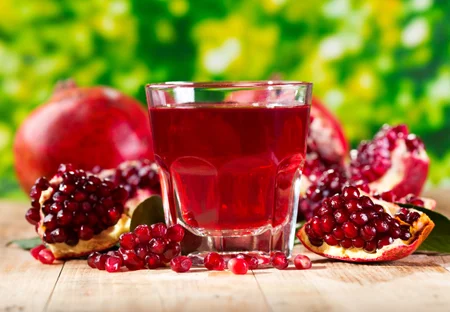
Pomegranate is royalty in the fruit world and boasting a rich ruby-like crimson hue. The vibrantly colored fruit has been revered for its beauty and bounty for centuries across cultures worldwide. From traditional practices like Ayurveda to modern scientific research, the spotlight has always been on pomegranate for its potential to transform our skin, hair, and overall health. Let us see how a celebrated fruit like the pomegranate, which has been praised worldwide for its properties, can help us transform our skin and hair.
Ayurveda + Scientific Take on Pomegranate
Pomegranate botanically identified as Punica granatum Linn is described in various pieces of ancient literature as dadima. Ayurvedic scriptures describe the use of dadima as an ahara (diet) as well as aushadha (drug). As far as the composition of the fruit is concerned, about 18% of dried and cleaned white seeds are rich in punicic acid (65%) and phytoestrogen compounds. The pomegranate juice contains fructose, sucrose, glucose, amino acids, ascorbic acid, citric acid, fumaric acid, malic acid, etc. Additionally, the pomegranate peel along with the juice is also rich in polyphenols (tannins and flavonoids). This gives it its antioxidant and anti-inflammatory properties.1,2,3
Benefits of Pomegranate for Skin
The popularity of pomegranate for promoting healthy skin has gained momentum in the last few years. The amazing nutrients that the fruit is rich in, give it an edge over many other fruits in terms of skin-benefit profile. Apart from the antioxidants that pomegranate contains, it contains many other essentials that can help improve skin health from the inside out.
Protection from UV damage
Pomegranate’s high polyphenol content is believed to support collagen production and shield the skin from UVB- and UVA-induced damage. These powerful antioxidants help maintain skin elasticity and protect against photodamage4,5.
Anti-aging & collagen support
There is growing discussion about the anti-aging benefits of pomegranate. There are several studies underway examining the anti-aging benefits of pomegranate, out of which, an animal study has highlighted that the antioxidants present in pomegranate have helped decrease the incidence of age spots, and wrinkles. While pomegranate may not completely prevent signs of aging, research suggests a promising future for its anti-aging benefits. Ongoing human studies continue to explore its effectiveness. Rich in polyphenols, pomegranate also supports collagen production and helps protect the skin from photodamage6,7,8.
Read more: Aging Skin In Your Sunset Years: An Ayurvedic Perspective
Defense against skin stress
Pomegranate contains beneficial compounds like polyphenols, flavonoids, and ellagic acid. These have been studied for their potential role in supporting skin health. These compounds possess antioxidant properties that may help combat oxidative stress – a key factor in DNA damage and skin carcinogenesis. Studies suggest that pomegranate extracts may mitigate UVB-induced skin damage by modulating inflammatory responses and promoting skin repair mechanisms. While promising, these findings indicate that pomegranate should be considered as part of a broader skin health strategy, including sun protection, a nutrient-rich diet, and regular dermatological screenings. Further clinical studies are needed to confirm its efficacy as a complementary approach to skin cancer prevention and treatment9,10.
Calming skin inflammation
Another benefit of pomegranate for our skin is its ability to deal with inflammation11. As we already know, pomegranate is a rich source of anti-inflammatory agents. This can help manage inflammation on the skin and reduce symptoms associated with certain inflammatory skin conditions.
Read more: How To Reduce Skin Inflammation The Ayurveda Way
Acne-fighting & oil control
Pomegranate extract may help with acne-prone skin due to its antibacterial, anti-inflammatory, and oil-controlling properties12,13,14. Research suggests that it fights acne-causing bacteria like Propionibacterium acnes and Staphylococcus aureus, reducing breakouts. It also helps calm inflammation and swelling, which can make acne less severe. Additionally, certain compounds in pomegranate may regulate oil production and prevent clogged pores by controlling excessive skin cell growth. These benefits make pomegranate a promising natural ingredient for skincare products targeting acne. While studies show positive results, more research is needed to fully understand its effects on human skin.
Read more: How Ayurveda Helped Me Clear My Acne Prone Skin

Benefits of Pomegranate for Hair
Pomegranate has shown promising benefits for hair health due to its rich antioxidant properties and active compounds. Research suggests that extracts from pomegranate leaves may help promote hair growth by stimulating hair follicles to shift from the resting (telogen) phase to the active (anagen) phase.
There are several studies, including animal trials, that have highlighted that pomegranate leaves’ alcoholic extracts can play a significant role as an anti-dandruff, anti-lice, and hair growth agent. Additionally, another trial conducted on pomegranate peel extract has highlighted the potential role. The extract can play a role in hair color protection due to its antioxidant properties and potentially acts as a good alternative for reducing hair dying frequency and protecting hair fibers. These studies have suggested that pomegranate extracts can promote hair health, however, more human trials are needed to support these potential hair-related benefits of the fruit.15,16
Pomegranate fruit, seeds, juice, peels, etc., have great potential to promote our overall health and wellness. Apart from helping maintain our overall health, it can add to the cosmetic appeal and appearance with its antioxidant and anti-inflammatory properties. Both Ayurvedic wisdom and modern-day research have highlighted the role of pomegranate in promoting our skin and hair, and it is time that we incorporate this food into our diet and daily routine to experience the goodness of the vibrant and nutrient-rich pomegranate.


0 Comments