

I have to say, since moving to Northern NSW a few years ago, I have seen more people in the clinic with complications due to intestinal parasites than I saw in 15 years of practice in South Australia!
From a Western perspective, there are two main categories of intestinal parasites – helminths and protozoa.
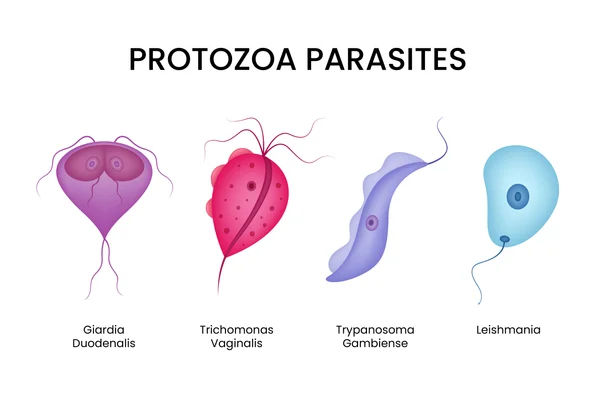

Helminths are the worm-shaped ones with many cells (pinworms, roundworms, tapeworms, etc – in their adult form they cannot reproduce in the human body), while Protozoa are the single-celled nasties (Giardia, Cryptosporidium, and Blastocystis hominis – these can reproduce in humans and cause quite serious infestations).
In Ayurveda parasites are called ‘Krimi’ and are classified into three types-
- Kaphaj- relates to mucus and lives in the stomach
- Purishaj- related to feces and exists mainly in the large intestine
- Raktaj- which circulates in the blood
The classification of Raktaj Krimi describes mostly microscopic organisms that are related to various skin diseases, which we won’t cover in this article. Kaphaj and Purishaj include the Western classifications above and symptoms are as follows…
Symptoms of Parasites
- Abdominal pain and diarrhea
- Nausea or vomiting
- Increased or decreased appetite
- Gas or bloating, dysentery (loose stools containing blood and mucus)
- Sneezing
- Coughing
- Fever
- Headache
- Rash or itching around the rectum or vulva
- Tiredness
- Weight loss
- Bedwetting in children
- Passing worms in your stool
A person who is affected can experience any range of these symptoms, however, complications happen more often and more severely in older people, children, and people who already have serious illnesses, such as AIDS.
How they Spread
Transmission varies depending on the particular parasite, but the most common way is oral-fecal, which involves consuming contaminated food or drink, contaminated soil (usually through manure used as fertilizer), or consuming under-cooked pork, beef, or fish (as in the case of tapeworm).
One of the most important things to realize is that parasites are far more likely to set up residence and cause a problem if the environment in our gut is appealing to them. From an Ayurvedic point of view, this means that the digestive fire (Agni) should be balanced and strong and the body free of undigested food waste (Ama). A system that is polluted with Ama is the perfect breeding ground for parasites and once they are established, their presence will perpetuate this situation.
Complications
For this reason, parasites are often present along with other health complaints, which complicates the original picture making it much more difficult to treat. Often this goes undiagnosed due to the non-specific, seemingly unrelated nature of the symptoms.
Care should be taken to treat any infestation thoroughly, not only killing the parasite but repairing any damage done to the gut and re-establishing a healthy internal environment (one with balanced Agni that is free of excess Ama). Repeated or improperly treated infestations can produce more complicated health problems as they occur, becoming chronic and difficult to treat, as in certain cases of Irritable Bowel Syndrome (in Ayurveda known as ‘Grahni’).
Diagnosis
Diagnosis of parasites is usually done through clinical case taking, is confirmed through the pulse in Ayurveda, and should be followed up by a stool test at a pathology lab (although this may need to be repeated several times due to the life cycle of certain species).
Treatment
To avoid further spread and contamination, ensure that the water you drink is properly filtered (this includes rainwater as it can easily be contaminated via the feces of native animals).
Make sure your hands are washed thoroughly after visiting the toilet, before cooking or eating, and that all food is washed and cooked properly.
Treatment should ideally be done for all members of a household to avoid re-infestation and include a diet that is free from red meat, cheese, yogurt, sweets, refined foods, and refined flour.
Bitter foods such as bitter melon are excellent deterrents for parasites and natural vermifuges should be used in cooking such as garlic, hing (asafoetida), turmeric, ajwain, cumin, and coriander.
Home Remedies
Excellent home remedies for worms include:
- 1 tbsp Crushed Pumpkin seeds on an empty stomach before breakfast
- 1 tsp Crushed Papaya seed with honey on an empty stomach before breakfast
- 1 tsp Jaggery, 1 tsp Ajwain, and ½ tsp Castor oil rolled into a ball and taken at bedtime once per week.
Other remedies are necessary for the treatment of more persistent infestations, as is often the case with protozoal parasites such as Giardia and in situations that are chronic or recurrent.
If you are in any doubt about your health please be sure to consult an Ayurvedic Practitioner or your local health physician.




0 Comments