

The ancient Indian medical system, Ayurveda, places significant value on natural solutions for health and fitness, including skin care. Ayurveda believes keeping the skin healthy requires protecting it from harmful UV rays. But store-bought sunscreens often have harmful chemicals. Ayurveda offers a treasure trove of sun-protective herbs that are used to nourish, mend, and protect the skin from sunburn, aging, and other skin disorders.
In this article, we’ll look at how using Ayurvedic herbs & Ayurveda-inspired sun protection will transform your skincare regimen.
The Five Ayurvedic Herbs as Natural Sunscreens
Ayurveda has long used natural ingredients for skincare. Some herbs are especially known for protecting the skin from harmful UV rays and promoting skin health. In this section, we’ll explore five Ayurvedic herbs that also work as natural sunscreens, their properties, and how to use these herbs to get effective results.
Aloe Vera (Aloe barbadensis miller)
Aloe vera or “kumari” as referred to in Ayurveda, has a long history of being used to treat burns, wounds, and skin disorders because of its calming, cooling, and healing qualities. Aloin and aloe-emodin in aloe vera absorb UV rays and shield the skin1. They are also anti-inflammatory, hence, minimizing sunburn-related redness and swelling.

Moreover, Aloe vera pacifies Vata dosha by reducing dryness and irritation with its moisturizing properties. It balances Pitta dosha, with its cooling property and soothes acne and rashes.2 While it can slightly increase Kapha Dosha, due to its gel-like nature, moderate use still detoxifies and rejuvenates oily Kapha-type skin.
You can apply the gel made from aloe vera leaves straight to your skin. It creates a shield against UV radiation and cools and moisturizes the skin

Turmeric (Curcuma longa)
Turmeric or Haridra is renowned for its health benefits. As per Ayurveda, turmeric mainly regulates tridoshas; Vata, Pitta, and Kapha dosha. Its hot potency and pungent taste balance the Kapha and Vata Dosha while its bitter property pacifies the Pitta Dosha.3

Also, these benefits can be credited to the plant’s primary ingredient, curcumin. Curcumin has strong antioxidant qualities to shield the skin from UV-induced imbalance of free radicals and antioxidants. It also assists in repairing damaged skin and enhances the texture of the skin.
Additionally, curcumin neutralizes free radicals generated by sun exposure4, thus preventing premature aging and skin damage. Its anti-inflammatory properties reduce sunburn-related swelling, redness, and irritation making it ideal for skin health.
To use turmeric for sun protection:
- Create a paste by mixing turmeric powder with yogurt, honey, or Aloe vera gel.
- Apply the paste to the skin.
- Leave it on for 15-20 minutes.
- Rinse off with cool water.
Sandalwood (Santalum album)
Because of its healing qualities, sandalwood has been valued for millennia in Ayurvedic medicine. It is well-liked for treating skin problems and improving skin health because of its cooling and calming effect on the skin.
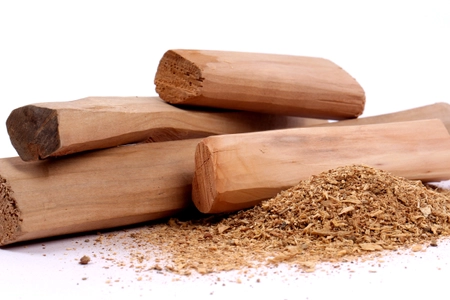
Sandalwood’s cooling and soothing nature makes it effective for Pitta Dosha, providing relief from heat and sun exposure. It soothes irritated skin, refreshes it, and reduces inflammation5, making it an all-rounder for use after accidental UV exposure. Additionally, Sandalwood soothes Vata by moisturizing dry skin and its astringent qualities help control excess oil, promoting clear and healthy skin, especially beneficial for Kapha dosha.
To get maximum results from sandalwood for UV exposure:
- Mix sandalwood powder with rose water (for Kapha-prominent skin) or milk (for Vata-prominent skin) to get a smooth consistency.
- Apply the paste to the skin and let it dry.
- Wash it off with lukewarm water.
This provides you with a protective barrier against UV rays and leaves the skin feeling refreshed and revived.
Neem (Azadirachta indica)
Neem (or Nimba) is prized for its antibacterial, antifungal, and anti-inflammatory properties. In Ayurveda, neem is regarded as a potent detoxifier, making it advantageous for preserving skin health. Neem, offers protection from UV rays and environmental toxins, averting sunburn and other skin conditions.6
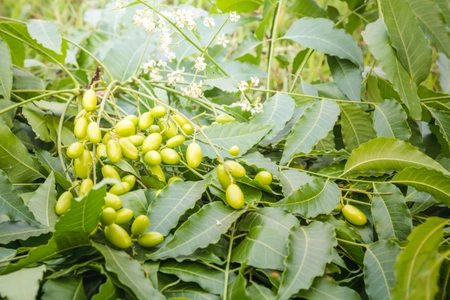
Neem balances Vata by hydrating and soothing dry skin with its bitter, cooling properties. For Pitta dosha, it lessens inflammation and removes heat and toxins that lead to skin issues like acne. When used correctly, neem aids in detoxifying and handles skin issues connected to excess oil and congestion leading to balance Kapha Dosha.7
Neem is a versatile herb when it comes to skincare. I often recommend this herb in my clinical practice to my patients depending on their skin type and needs. For patients with dry skin, I recommend applying neem oil, it provides hydration and sun protection. On the other hand, applying a neem leaf paste as a weekly mask soothes and protects the skin, making it a good option for skin health.
Indian Madder (Rubia cordifolia)
Indian madder, also known as Manjistha, is used extensively in Ayurvedic cosmetics because of its therapeutic and blood-purifying qualities. It is known for its ability to stimulate vibrant and healthy skin, offering natural UV protection and healing sun-damaged skin. Its anti-inflammatory qualities can help in relieving sore and sunburned skin.8

As per Ayurveda, Manjistha is good for Pitta and Kapha Dosha. With its Pitta Dosha pacifying property, it reduces inflammation and detoxifies the blood, which helps with issues like acne and rashes. And, manjistha’s purifying qualities boost Kapha and improve skin tone.9
Moreover, Manjistha’s powerful cooling and healing properties are a wonderful remedy for sunburned skin. One of my patients was struggling with post-sun redness and discomfort, so I recommended, her to apply a simple paste made from Manjistha and Aloe vera gel for just 15 minutes. This soothes and restores the skin and has a calming effect on inflamed areas.
Precautions and Considerations
Ayurvedic herbs shield the skin from the sun naturally. But, before adding these herbs to your skincare routine, keep the following important safety measures in mind:
Possible Reactions to Allergies
Although herbs are majorly considered harmless, they can cause bad skin reactions, especially in people with sensitive or allergy-prone skin. Always do a patch test before using any herb extensively.
- Choose a Discreet Area: Select a small, hidden area of your skin, like the inner arm.
- Apply the Preparation: Apply a small amount of the herb-infused product to this area.
- Observation: Give it 24 to 48 hours to work, while watching out for inflammation, itchiness, irritation, or other negative responses.
- Look for Reactions: If you experience any pain, or unpleasant sensation or see a reaction, remove the product instantly.
- Consult a Professional: If you experience a negative reaction because of any herbs you apply, immediately consult an Ayurvedic practitioner for further advice.
Sun Protection Beyond Herbs
Ayurvedic herbs offer natural sun protection, but they work best alongside other sun safety practices. Along with using herbal products, remember to:
- Apply a broad-spectrum sunscreen with SPF 30 or higher.
- Seek shade during peak sun hours.
- Wear protective clothing like hats and sunglasses.
- Avoid prolonged sun exposure.
Long-Term Use
Consistently using Ayurvedic herbs can improve your skin health and make it resilient against sun damage. However, pay attention to how your skin reacts. If you notice any negative effects or changes, stop using the herbs and seek advice from a healthcare professional.
Bottom Line
In conclusion, natural sun protection with added antioxidant and calming properties can be obtained from Ayurvedic herbs such as Indian madder, Sandalwood, Neem, Aloe Vera, and Turmeric. These herbs nourish and repair your skin, and provide UV protection.
By using an all-around approach to sun protection by incorporating regular use of these Ayurvedic herbs into your skincare routine, you can lower your dependency on chemical sunscreens, get the extra nutrition they offer, and improve the resilience and health of your skin.
Read more: Explore Ayurveda’s Perspective on Suntan: Causes and Remedies | Ayurvedic Skin Remedies for Sun Damage


Hello, this piece of writing is genuinely pleasant and I have learned lot of things from it.
Thanks.
I read blogs often and I will bookmark your website and keep checking for new information. I have subscribed to your RSS feed as well.
Thank you so much for your support 🌿🙏 We’re delighted to hear that you’ll be following our updates. Your encouragement means a lot and keeps us motivated to keep sharing more Ayurvedic knowledge!
It’s a shame you don’t have a donate button! I’d definitely donate to this fantastic blog! I guess for now i’ll settle for bookmarking and adding your RSS feed to my Google account.
I look forward to brand new updates and will share this website with my Facebook group.
Talk soon!
That’s so kind of you- thank you! 🙏😊 While we don’t have a donate button yet, you can always show us some love by exploring our Ayurvedic skincare and wellness products on our website 🌿✨. We’ll keep the updates coming your way, bookmarking and sharing are more than enough support too!
While planning for my travel plans, I stumbled upon this blog and I’ve found it absolutely useful. 🙂 It has very relevant information.
Good job!
Thank you so much! 🌿😊 We’re glad to hear the blog was helpful for your travel planning. Wishing you safe and enjoyable journeys ahead!