

Practices of hair care in Ayurveda teach that attaining youth, beauty, and health requires an awareness of how each facet of life affects the body and mind’s ability to function in harmony. Inner and outer beauty are closely tied in Ayurveda. Outer beauty is what we most commonly consider as the field of beauty. It comprises attributes like the body’s shape, the skin’s texture, and the hair’s quality. Long, attractive hair can actually boost one’s confidence. This is why it is crucial to provide your hair with the right attention and nutrients that it requires. In Ayurveda, hair is referred to as Kesha. The word “kesha” refers to something that lies embedded in the scalp or head.
A lot of times, the poor health of your hair might make you lose your confidence. The reasons for your dry, frizzy, lackluster hair might be more than just using a bad shampoo or the absence of regular conditioning. It could rather be a sign that your hair and scalp are craving the deep nourishment and balance that Ayurvedic hair oiling rituals can provide.
One of the most important daily rituals according to Ayurveda, is oiling the hair. The human body is portrayed as an inverted tree in Ayurveda, with the roots at the top and the branches pointing below. The remote control for all bodily functions, which manages all of the body’s dynamics and mechanics, is said to reside in the head. Therefore, we need to keep the head healthy to keep the body healthy. Read along to understand how hair care in Ayurveda, specifically hair oiling, helps to prevent greying, baldness, hair fall, and promotes hair growth and nourishment to the entire mind and body.
Hair Care in Ayurveda: Practices for Strong, Healthy Hair
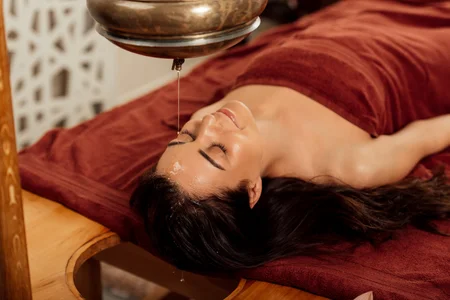
Head Massage with Herbal Oils (Shiro Abhyanga)
According to classical Ayurvedic texts, massaging your scalp with nourishing oils isn’t just relaxing—it’s a powerful habit for lifelong hair health. Regular oiling can help prevent hair fall and baldness, support deep-rooted, thick, and dark hair, and even enhance the functioning of your sense organs.
Herbal Fumigation (Dhupana)
This lesser-known but highly effective ritual involves exposing the hair and scalp to the smoke of specific medicinal herbs. Done daily, this practice strengthens hair from the roots, revitalizes the scalp, and helps support skin and sensory functions too.
Rejuvenation Therapy (Rasayana)
Rasayanas are special Ayurvedic formulations known for their anti-aging properties. Ingredients like amalaki (Indian Gooseberry), bhringraj, and even medicated milk act as internal tonics that nourish the body and improve hair quality over time. They help delay greying and maintain hair strength naturally.
Nasal Therapy (Nasya)
Practices of hair care in Ayurveda involve the application of medicated oils through the nose to nourish and protect the head and facial area. Since the nose is considered the gateway to the head in Ayurveda, nasya can help strengthen the hair roots, slow down premature greying, reduce hair thinning, and even support mental clarity. Oils like anu taila and yashtimadhu taila (licorice oil) are often used.
Watch Your Salt Intake
Excessive consumption of salty or alkaline foods can disturb the body’s natural balance and contribute to early greying or hair fall. Moderation is key when it comes to maintaining healthy hair from within.
Combing & Cutting of Hair (Kesha Prasadhana & Kshourkarma)
Use clean brushes when combing your hair. Regular brushing of the hair stimulates the scalp, enhances blood flow, and encourages hair growth.
Dietary Considerations (Ahara)
Madhura (sweet), tikta (bitter), and kashaya (astringent) tastes in the diet encourage hair development and health. All calcium and iron rich diets are necessary for long hair. A diet high in amla (sour), lavan (salty), and kshara (corrosive) foods harm hair and inhibits hair development. Additionally, calcium helps build strong, resilient hair, vitamin C plays a key role in preventing hair fall (aim for 1,000–3,000 mg daily, as per dietary guidelines) & proteins are essential—hair is mostly protein, after all. Include eggs, legumes, and nuts in your meals. B Vitamins and biotin support hair growth and thickness. Iron helps carry oxygen to the scalp, and Vitamin E improves circulation and stimulates growth.
Ayurveda’s perspective on hair oiling (Shiro abhyanga)
Ayurveda encourages the daily application of hair oil to the scalp. It acts as more than just a medium for hair care in Ayurveda and is revered as a sacred ritual. Regular use of the oil on the scalp aids in headache prevention. It is further believed to help with issues like baldness, hair thinning, and hair loss, among others. It makes the mind and scalp strong. The hair root becomes stronger, hair becomes longer/thicker and darker (black). The facial skin also has a nice sheen, and all sensory organs are active, stimulated, or regenerated. A good night’s sleep and deep slumber are both aided by hair oiling.

According to Ayurvedic philosophy, applying oil to the body in general keeps it healthy and youthful. More precisely, regular oil application to the sole, scalp, ears, and earlobes promotes clear vision, deep sleep, beautiful skin, and stability of the sense organs. Additionally, you should cover your head with fabric or a cloth when you step outside. It shields hair against dirt, heat from the sun, and air pollution. You can shield your head and hair by wearing a headscarf, cap, or using an umbrella.
The nature of hair (Kesha) has been related with distinct types of body constitution (prakriti) depending upon people:
Hair Oiling & the Three Doshas
One need not use any particular oil. Though it should be made sure thate it’s warm, and not hot. For greater benefit, pick the oil or its blend based on your ‘prakriti’ or body constitution.
Vata Hair: Dry, Frizzy & Delicate
Vata-type hair is usually dry, curly, and prone to tangling and split ends. The scalp may feel dry, itchy, and flaky with visible dandruff.
Care Tips:
Vata hair needs regular nourishment. A warm oil massage with sesame or sweet almond oil can do wonders. You can also use coconut oil if you prefer something lighter.
After oiling, gently brush your hair and wrap it in a towel soaked in warm water. Leave it on for a bit to let the oil sink in. Wash your hair either after a couple of hours or the next day with a mild, herbal cleanser.
Pitta Hair: Thin, Oily & Prone to Hair Fall
People with Pitta hair often experience early greying, hair thinning, and hair fall. The hair may be soft and straight, but the scalp can feel hot, red, itchy, and sometimes even show signs of inflammation like boils or eczema.
Care Tips:
Use soothing oils like amla, coconut, Brahmi, or triphala oil for a gentle scalp massage. Follow it up with a natural, cooling hair mask made from ingredients like fresh hibiscus flowers and leaves, amla, brahmi, henna, and licorice root. Leave the mask on for about 30 minutes, rinse with cool water, and let your hair dry naturally wrapped in a clean towel.
Kapha Hair: Thick, Strong & Greasy
Kapha hair is usually thick, shiny, and wavy with a naturally oily scalp. While the hair looks lush, the scalp can be prone to sticky dandruff due to excess oil.
Care Tips:
This type benefits from a more stimulating approach. Give your scalp a firm, invigorating massage with warm oil to help boost circulation. After the massage, rinse with a gentle herbal hair wash or a triphala water rinse to keep the scalp fresh and balanced.
Read More: Rosemary for Hair: Can It Truly Promote Growth?
Why You Should Make Shiroabhyanga (Head Massage) a Daily Habit
- Supports Brain and Nervous System Health Regular head massage is known to benefit conditions related to the brain and nervous system.
- Relieves Headaches & Promotes Sound Sleep: It calms the mind, eases tension, and helps you sleep better.
- Strengthens Sense and Motor Organs: It energizes your eyes, ears, nose, and even improves coordination and mobility.
- Boosts Eye Health: Regular massage can help sharpen vision and soothe tired eyes.
- Promotes Overall Sensory Wellness: When done daily, it helps your sensory organs function at their best.
- Prevents Dryness and Itching on the Scalp: Keeps your scalp well-hydrated and nourished, reducing flakiness and discomfort.
- Reduces Hair Fall and Premature Greying: Helps keep your hair strong, youthful, and rooted for longer.
- Enhances Facial Hair Texture and Tone: Improves the look and feel of facial hair by improving circulation and nourishment.
- Improves Facial Skin Health: When paired with a facial oil massage, it softens skin, reduces fine lines, and helps clear up issues like pimples. It also firms the cheeks and supports eye health.
- Encourages Strong, Thick, and Dark Hair: Promotes the growth of healthy, shiny, and long-lasting hair.
- Can Prevent Hair Loss Entirely When Done Daily: People who follow this practice regularly rarely experience hair fall.
- Makes Facial Skin Softer Over Time: Daily massage helps maintain a smooth and supple complexion.
Simple and Effective Tips to Prevent Hair Fall

- Get Quality Sleep: A restful night’s sleep does more than just refresh your mind—it helps your hair stay healthy too.
- Keep Stress in Check: Chronic stress is a silent trigger for hair fall. Make time for calming practices like yoga, breathing exercises, or meditation to create inner balance.
- Be Gentle with Styling Tools: Frequent use of hair dyes, dryers, straighteners, and curlers can weaken your strands. Try to limit their use and give your hair a break whenever possible.
- Don’t Color Too Often: If you color your hair, allow at least 6–8 weeks between sessions. This gives your hair time to recover and reduces long-term damage.
- Choose Loose Hairstyles: Tight buns, ponytails, or braids pull at the roots and may cause hair thinning over time. Opt for looser styles to keep your hair stress-free.
- Use High-Quality Hair Products: Harsh shampoos and low-grade conditioners can strip your hair of natural oils. Choose gentle, nourishing products that suit your hair type.
- Limit Alcohol & Sugary Drinks: Cutting back on alcohol and processed beverages helps your body stay in balance—and your hair benefits too.
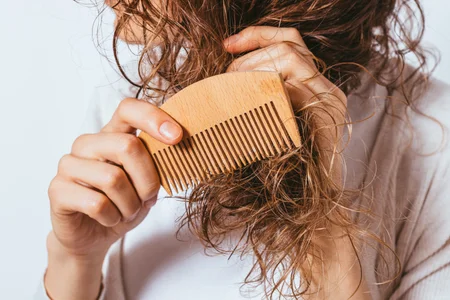
- Handle Wet Hair with Care: Avoid brushing or rubbing wet hair roughly. Let it dry naturally first, then gently detangle from the tips upward using a wide-tooth comb.
- Avoid Hot Water on the Head: Washing your head with hot water might feel soothing, but Ayurveda advises against it. Hot water can weaken the hair roots and reduce hair vitality. Always opt for lukewarm or cool water when washing your hair.
Massage Oil Bases for Hair Care in Ayurveda
Sesame Oil
Slightly hot. Ideal for Vata dosha but can also be used for Kapha. It helps prevent headaches, greying of hair, baldness, and hair fall. It is believed that frequent application of sesame oil provides long and deep-rooted hair.
Coconut Oil
Coolant. Ideal for Pitta dosha. Not good for Kapha dosha. In addition to this, it helps increase blood flow to the scalp, massaging with coconut oil assists in slowing the onset of greying of hair, strengthening hair, and encouraging growth while also gradually restoring hair color. Additionally, coconut oil provides calming and cooling qualities. Due to its low molecular weight and strong affinity for hair proteins, coconut oil may enter the cuticle and displace the melanin replaced by air.
Castor Oil
Slightly hot and has a deep penetrating activity. Useful in Vata and in Kapha prakriti.
Mustard oil
Extremely hot. Ideal for Kapha dosha; can also work for Vata dosha. But not good in high Pitta. It makes sense for a Pitta-dominant person or for people living in high-temperature climates to choose herbal oils prepared with coconut oil. These kinds of oils usually have kera tailam as their last name. Excessive hotness of mustard oil may cause pitta imbalance. Hence, mustard oil-based oils are not good for use as hair oils.
Conclusion
We have very well explained the importance of hair oiling and hair care in Ayurveda. Once you start incorporating these habits into your daily regimen, you will most definitely appreciate the rationality behind the concept of hair oiling. As you embrace the art of Ayurvedic hair care, remember to focus on the unique needs of your hair and scalp. Along with a balanced diet, hair massage with medicated oils suitable for your prakriti is important for hair health. Hair wash with minimal use of chemicals is also important for hair health and hair growth.
Read More: What Causes Hair Thinning? Ayurvedic Perspective And Remedies





0 Comments