

In today’s fast-paced world, stress is an unavoidable part of life. However, there is an ancient remedy that has withstood the test of time: Ashwagandha. This powerful adaptogenic herb is revered in Ayurvedic medicine for its ability to promote stress relief, enhance vitality, and support overall well-being. There are many benefits of ashwagandha.
From ancient Indian traditions to modern wellness stores, Ashwagandha has maintained its place as a cornerstone of holistic health. Its name, derived from Sanskrit, translates to “the smell of a horse,” signifying its traditional use for strength and stamina. In this article, we explore the benefits of ashwagandha, its uses, and its modern relevance.
What is Ashwagandha?
Ashwagandha (Withania somnifera) is a woody shrub native to India, the Middle East, and Africa. It is commonly referred to as:
- Indian Winter Cherry
- Poison Gooseberry
- Indian Ginseng

Plant Appearance:
- Height: 35-75 cm
- Leaves: Dull green, 10-12 cm long
- Flowers: Greenish-yellow, small, clustered
- Fruits: Red berries with a green calyx
- Roots: Long, tuberous, yellowish-green
Ayurvedic Properties of Ashwagandha
Rasa (Taste)
- Katu (pungent)
- Tikta (bitter)
- Kashaya (astringent)
Guna (Quality)
- Laghu (light)
- Snigdha (unctuous, oily)
Veerya (Potency)
- Ushna (hot) – has a warming effect on the body.
Vipaka (Post-digestive taste)
- Katu (pungent)

Health Benefits of Ashwagandha Herb
Below are the various ashwagandha benefits:
Stress & Anxiety Relief
- Acts as an adaptogen, helping the body manage stress and anxiety.¹
- Reduces cortisol levels, the stress hormone.¹
- Improves overall mental well-being.¹
Improves Sleep (Nidrajanak)
- Helps in treating insomnia.²
- Supports relaxation and deep sleep cycles.²
Boosts Energy & Stamina (Balya)
- Increases muscle strength and endurance.³
- Traditionally used for athletes and physical performance.³
Supports Cognitive Function
- Enhances memory, focus, and clarity.⁴
- It may help with neuroprotective effects.⁴
Supports Reproductive Health
- For men: Increases testosterone levels and improves fertility.⁵
- For women: Balances hormones and supports menstrual health.⁵
Helps Manage Diabetes (Pramehaghna)
- It may lower blood sugar levels.⁶
- Supports insulin sensitivity.⁶
Anti-inflammatory & Immune Boosting
- Fights inflammation and oxidative stress.⁷
- Enhances immune function.⁷
- We believe all these ashwagandha benefits are immense and can help an individual in many ways, More information is present in the blog: Ashwagandha Benefits, Uses, Dosage, Side Effects + More
How to Consume Ashwagandha?
- Ashwagandha Powder (Churna): Mix with milk, ghee, or honey.
- Capsules or Tablets: Available in standardized forms.
- Ashwagandha Tea: Boil in hot water for a calming drink.
- Tinctures & Extracts: Potent forms for convenience.
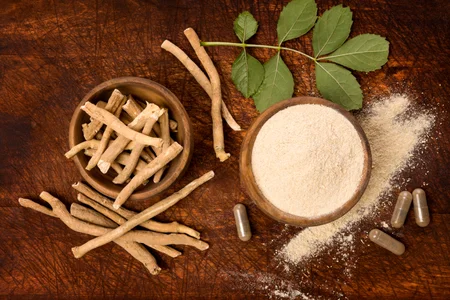
Dosage:
- General wellness: 250-500 mg per day.
- For stress relief: 500-600 mg per day.
- For sleep aid: 300-500 mg before bedtime.
- Consult a healthcare provider before use.
Who Should Use Ashwagandha?
- Individuals experiencing stress & anxiety
- Those seeking better sleep
- Athletes looking for strength & endurance
- People with diabetes & high blood sugar
- Individuals dealing with low testosterone & fertility issues
Who Should Avoid Ashwagandha?
- Pregnant & breastfeeding women should consult their doctor first.
- Individuals with autoimmune diseases (e.g., lupus, rheumatoid arthritis).
- People allergic to nightshades (same family as tomatoes & potatoes).
- Those on thyroid medication as it may affect thyroid function.


0 Comments