

Are you also someone who is fighting with painful and swollen joints, who is no longer able to do their daily chores, or who is seeking answers for these problems? You are not alone. In fact, sandhivata or osteoarthritis (OA) is a common degenerative joint disease that affects millions of people worldwide. In 2020, 595 million individuals had osteoarthritis, affecting 7.6% of the global population.
What is Osteoarthritis?
In Ayurveda, sandhivata is a Vata vyadhi caused by the vitiation of Vata dosha lodged in joints (sandhi), resulting in pain, inflammation, stiffness, lack of movement, and failure to perform day-to-day activities. In this article, we are going to answer the top 10 most asked questions on sandhivata/osteoarthritis/OA from the perspective of an Ayurveda expert to solve your doubts in the best possible way.
10 Most Asked Questions About Osteoarthritis Treatment
Q1. At What Age Does Arthritis Start?
A1. Talking about sandhivata (OA), there is no specific age for its start. It can occur at any stage of life. However, several factors contribute to its development, including genetics, an unhealthy lifestyle such as obesity, musculoskeletal abnormalities, or an injury. However, you generally observe osteoarthritis (sandhivata) in elderly patients, i.e., in people over 50 years. The reason is the natural aggravation of Vata dosha in the body during the late 40s and 50s. This stage of life leads to dhatu kshaya (deterioration of essential body elements), causing joint pain, inflammation, and damaged joints.
Q2. What is the Main Cause of Osteoarthritis?
A2. Sandhivata, the “wear and tear” condition. It affects the joints so terribly, limiting body movement. There are several causes of sandhivata (OA), and they are as follows:
- Vata prakruti (Vatik constitution of body) – If you have a Vata prakruti, then there is always a high chance of developing vataja ailments. The dominating Vata dosha gives favorable conditions for all Vata ailments to flourish in the body, like sandhivata.
- Obesity – Carrying excess body weight places more stress on your joints, which can lead to cartilage damage and, over time, joint deterioration.
- Overuse – Overusing anything can be harmful, and the same applies to your joints. The soft tissues within the joints are vulnerable to damage when overworked. This damage can quickly escalate, leading to significant problems if not addressed.
- Injury – Arthritis caused by injuries is called post-traumatic osteoarthritis, which is usually triggered by repetitive injury. An injury to the joint takes quite a long time to heal and damages the cartilage, causing pain, stiffness, and inflammation to the joint.
Q3. Which Organ System is Affected by Osteoarthritis?
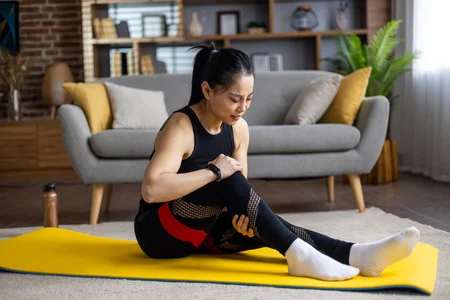
A3. Osteoarthritis or sandhivata commonly affects the joints. It is a degenerative joint disease that breaks down the cartilage and the underlying bone over time. In Ayurveda, sandhivata is Vata vyadhi made up of two words, i.e., sandhi (joints) + Vata (one of three doshas). Where sandhi is the part that is being affected, and Vata is the cause. Arthritis is caused by an imbalance of Vata dosha in the sandhi (joints), leading to pain, inflammation, stiffness, and the breakdown of Kapha, specifically sleshma Kapha, which normally prevents the bones from rubbing against each other. Over time, this results in poor joint health.
Q4. What are the 5 Symptoms of Osteoarthritis?
A4. The symptoms of sandhivata (OA) may develop slowly, but they worsen with time if not managed properly. The 5 symptoms of arthritis include:
- Shula – Pain in affected joints
- Atopa – Crepitus (a cracking sound as you move your joint)
- Vata purna driti sparsha – Joints producing sound as that of rubbing against a balloon
- Shotha – Inflammation
- Prasarana Akunchana Pravritti vedana – Painful extension and flexion movements of the joints.
Q5. Is Massage Good for Arthritis?
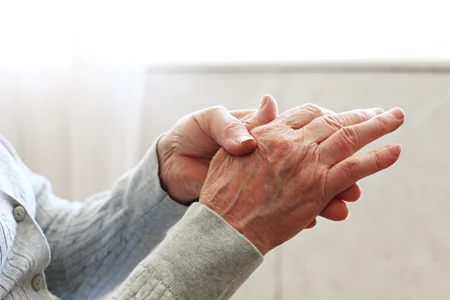
A5. Yes. Massage or abhyanga is a good practice for any form of arthritis. It is a pre-procedure of panchakarma that promotes circulation, musculoskeletal health, joint function, and prevention of injury. It is essential to massage the affected joint with medicated oils, as this will help joints to combat Vata dosha, lubricate, and strengthen them.
Q6. Does Walking Reduce Joint Pain?
A6. Yes, walking is a low-impact exercise that reduces the stiffness of the joints, strengthens the joints, and facilitates mobility. But remember not to do it in excess. Arthritis is associated with vitiated Vata dosha in the joints and flares up if you perform excessive walking. It is due to the “chala” guna or movement property of Vata dosha. Therefore, it is advised to take small breaks while walking.
Q7. What is a Natural Way to Stop Osteoarthritis?
A7. The natural way to stop any disease can be nothing other than nidan parivarjan, i.e., avoiding the causative and precipitating factors of the disease. So, balancing the Vata Dosha is a key here and best achieved by:
- Modifying your diet – Do not consume dry, cold, and stale food. Consuming it may aggravate your Vata dosha, causing more pain, stiffness, inflammation, and discomfort in your joints.
- Weight management – The less weight you possess on your joints, the less the chance for your joints to be damaged. So, it’s important to manage a healthy weight.
- Lifestyle modification – Making tiny changes in your daily life can give you huge benefits. Avoid staying awake late, sleeping during the day, and exposure to excessive cold and dry weather.
- Say no to suppression of natural urges – You might not be aware of the fact that suppressing your natural vegas/urges disbalances the Vata Dosha and favors the symptoms of sandhivata (OA) to worsen.
- Yoga and meditation – Practicing yoga and meditation along with stress management can help you get your Vata dosha back to a balanced state.
Read More: Arthritis Pain: Can Ayurvedic Herbal Oils + Essential Oils Help?
Q8. What is the Best Herb for Osteoarthritis as per Ayurveda?
A8. The golden herb for osteoarthritis, as per Ayurveda, is turmeric. Yes, you heard it right. Turmeric or Curcuma longa has curcumin or polyphenol as its active ingredient, which is best known for its anti-inflammatory and antioxidant properties. Turmeric not only helps reduce inflammation and pain but also protects the cartilage. Including turmeric as a key herb in your daily routine can help balance Vata dosha, ease symptoms, and enhance joint mobility.

Read More: Golden Milk For Arthritis Recipe (Turmeric Milk For Arthritis)
Q9. What Food is Good or Not Good for Osteoarthritis?
A9. Food or ahara, if you consume food in the right amount and with the right strategy, is itself the best supplement for your body and mind. Considering sandhivata (OA), there are a variety of foods that are good (pathya) and not good (apathya) as per the Ayurvedic text.
Like:
Good food or Pathya ahara: A variety of foods you should consume to improve your joint health are:
- Cereals: Wheat and rice
- Pulses: Black gram, kulattha dal
- Fruits and vegetables: Pomegranate, mango, jujube plum, grapes, drumstick
- Type of milk: Cow milk, goat milk
Read More: 11 Foods For Osteoarthritis, according to Ayurveda
Not good food or apathya ahara: Variety of food you should not consume to manage your osteoarthritis are:
- Cereals: Yava (barley)
- Pulses: Peas, chickpeas, green gram
- Fruits and vegetables: Bitter gourd, jamun (Indian blackberry)
- Type of milk: Jennet milk
Q10. What are the 5 Best Exercises for Osteoarthritis?
A10. Exercising at a normal amount helps improve the condition, while overdoing it may cause serious issues for the joints. A few exercises that can help are:
- Yoga: Yoga poses such as sukhasana (easy pose), vajrasana (thunderbolt pose), and bhujangasana (cobra pose) improve flexibility and reduce joint pain associated with osteoarthritis (OA).
- Mild walking: Walking is a low-impact exercise that can help you strengthen muscles, improve circulation, and reduce stiffness of your joints.
- Swimming: Swimming is a great full-body activity that is quite easy on the joints. It facilitates mobility, improves flexibility, muscle strength, and reduces inflammation of the joints.
- Cycling: It is another workout to move your joints. It improves cardiovascular health, builds strength in the lower body, and reduces joint pain associated with sandhivata.
- Pilates: An exercise that enhances strong core muscles, better posture, and improved flexibility. This helps the joints improve pain, stiffness, and inflammation.

Conclusion
Sandhivata, or osteoarthritis, is a serious condition that affects the cartilage and the surrounding joints. If left unmanaged, the condition can progressively worsen. However, by balancing Vata dosha and adopting appropriate lifestyle changes, the condition can be improved.
Through this blog, we’ve aimed to address the most frequently asked questions about arthritis and share practical lifestyle adjustments that may help manage it. By following these suggestions, you may experience relief from arthritis, regain pain-free movement, and return to your everyday activities with greater ease.




0 Comments