

Ayurvedic herbs have been used for centuries to treat the body naturally. This holistic approach to health originated in India and has evolved into a complete medical system practiced worldwide.
There are a few “mega-star” Ayurveda herbs that you’ve probably heard of, like turmeric or ginger—both staples in any Ayurvedic herbs list. Most people are familiar with these. Then there are the “rising stars” slowly gaining popularity in the world of herbal supplements, like ashwagandha and ginkgo biloba.
While some herbs in Ayurveda are becoming widely known and even popular, there are still many more to explore. So, here is the best Ayurvedic herbs list featuring 50 herbs.

Turmeric (Curcumin)
An anti-inflammatory Ayurvedic herb that supports metabolism and the digestive system, turmeric may help with infections, fevers, and high cholesterol.
While you can gain some benefits of turmeric by consuming foods containing raw or powdered turmeric, for the best effect, you need the potent isolated form in a higher quantity to get significant health benefits. Turmeric capsules containing 500mg of curcumin are needed to truly reduce inflammation.
Cinnamon
Cinnamon may help reduce headache pain, stomach problems, and colitis. It’s an anti-fungal agent that supports the immune and digestive system.
Triphala
Triphala cleanses, replenishes, and nourishes the digestive, respiratory, circulatory, and genitourinary systems. It’s well-known that Ayurvedic herbs have benefits, especially for supporting overall wellness.
Fenugreek
Fenugreek nourishes, soothes, and aids the digestive system, promoting a healthier libido and improved skin.
Guggulu
Guggulu supports a healthier immune system through its powerful detoxifying and rejuvenating qualities.
Ashwagandha
Ashwagandha is one of those powerful Ayurvedic herbs that helps with fatigue, skin health, and reproductive support. It also works to strengthen the immune and endocrine systems.
Guduchi
Guduchi eliminates unwanted body toxins, supporting a healthier immune function and better skin tone.
Amla
Amla encourages a healthier digestive system, balances blood sugar levels, and detoxifies the body.
Frankincense (Boswellia Serrata)
Frankincense supports the joints and heals, soothes, and promotes improved connective tissues.
ADVERTISEMENT
Gymnema Sylvestre (Miracle Fruit)
Gymnema may help reduce sweet cravings. It supports healthier blood glucose levels. It supports the functioning of the pancreas.
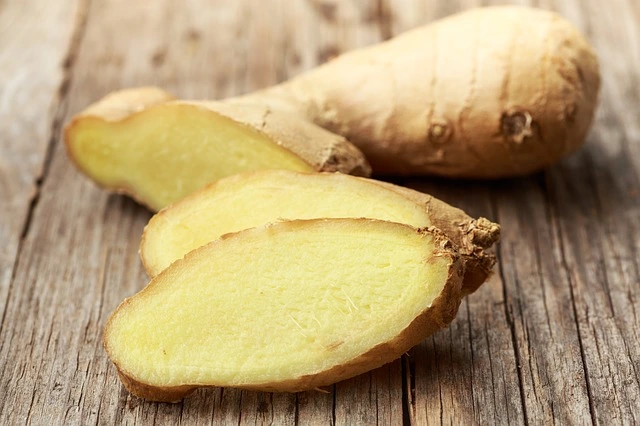
Ginger
Ginger improves overall health and well-being. It promotes better digestion and joint support.
Black Pepper
Black pepper is an anti-bacterial and anti-inflammatory. It treats colds, flu, aches, and pains alongside digestive and arthritic conditions.
Licorice (Yashtimadhu)
An anti-inflammatory and analgesic, licorice supports pain and a variety of diseases. It encourages bodily functions.
Vidari
Vidari supports male and female reproductive systems, encouraging healthier menstruation, fertility, and vitality.
Masha
Masha boosts overall body energy and muscle strength. It may help combat sexual impotence and may aid low sperm count.
Bala
Bala strengthens and energizes the body with soothing properties, calming the nerves and aiding muscle tension.
Pippali
Pippali rejuvenates, strengthens, and nourishes the body by supporting healthy circulation and blood and promoting a healthier liver.
Vidanga (Embelia Ribes)
Vidanga supports the body’s natural defenses, strengthening the digestive system and eliminating unnecessary toxins.
Vrikshamla (Garcinia Cambogia)
Vrikshamla settles the metabolism, supporting a better digestive system, conditioning the body to cope with diet plans.
Bacopa
Bacopa rejuvenates the mind and nervous system, cleansing and calming while supporting mental clarity.
Haritaki (Terminalia Chebula)
Haritaki is a key part of the Ayurvedic herbs list, known for its detoxifying effects. It helps cleanse the colon, liver, spleen, and lungs, keeping digestion in check
Bibhitaki
Bibhitaki eliminates unwanted toxins in organs and tissues producing a healthier body and mind.
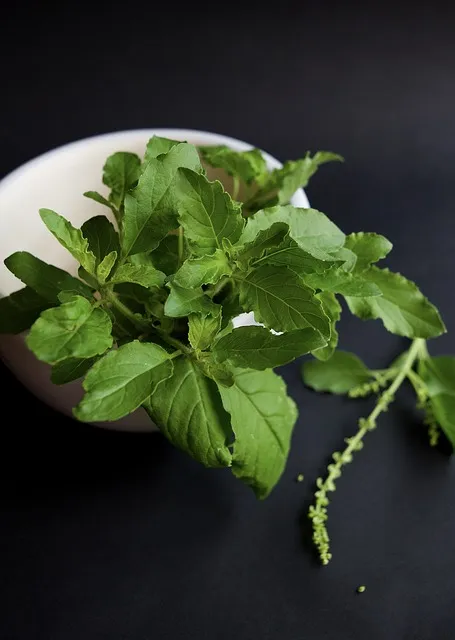
Tulsi (Holy Basil)
Tulsi promotes optimal heart and lung functioning, supporting the digestive, respiratory, and immune systems through healthy circulation.
Moringa
Moringa is an instant energy booster. It may help in lowering blood pressure, aiding sleep, and easing anxiety.
Coriander
Coriander may be supportive for IBS, bloating, allergies, and respiratory problems while supporting the
digestive system and blood purification.
Saffron
Saffron may help relieve cramps, erectile problems, and urination problems while boosting the immune, digestive, reproductive, and central nervous system.
ADVERTISEMENTS
Manjistha
Manjistha is well-known for its cleansing properties. When talking about Ayurvedic herb benefits, this one stands out for supporting healthy blood flow and detoxifying the body by removing excess heat and toxins.
Neem
An effective Ayurvedic herb for detoxification, neem may help cleanse the liver, purify the blood, and support the body’s immune system.
Brahmi
Brahmi promotes a healthy brain and nervous system, supporting memory, concentration, and intelligence.
Ajwain
Ajwain is a strong cleanser. It stimulates the appetite while enhancing the digestive system, preventing gas and stomach discomfort.
Cardamom
Cardamom encourages a healthier appetite while promoting fresher breath and cleaner lungs.
Shatavari
Shatavari may support fertility and a better immune and digestion system.
Cumin
Cumin is an anti-inflammatory and antioxidant. It supports the digestive system and is an effective spice for detoxification.
Garlic
Garlic is used as an aphrodisiac. It also acts as a stimulant to the heart and liver and is an eye and hair tonic.
Sandalwood
Sandalwood is renowned for treating various skin complaints and infections, such as sores and ulcers.
Garden Mint (Putiha)
Mint may help relieve joint pain and indigestion as well as coughs, fevers, and bouts of diarrhea.
Celery Seed (Ajmoda)
Known to improve the digestive system, celery seed works to relieve abdominal pain and bloating.
Cloves (Lavanga)
Cloves are known to be beneficial for eliminating the discomfort of tooth pain. They also may help relieve coughs, colds, bad breath, and sore throats.
Rauwolfia
Rauwolfia is effective at reducing fever and lowering blood pressure. It is also an excellent treatment for eliminating insomnia.
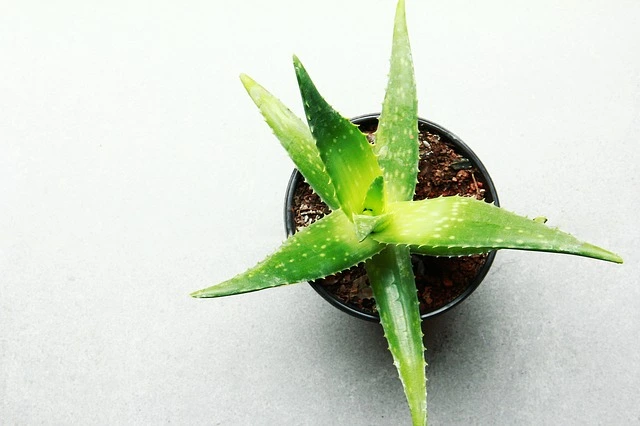
Aloe Vera
Aloe vera’s got that natural healing touch. It helps with wounds, swelling, and itching, all thanks to its anti-inflammatory and antibacterial properties. Just one of those Ayurvedic herbs benefits that make it a go-to.
Curry Leaf
Curry leaf is excellent at targeting spasms and seizures. It reduces fever, clears the blood, and is beneficial for those at high risk of heart attacks.
Myrrh
Myrrh is beneficial for the nervous system, circulatory system, and rheumatic problems, eliminating
stomach and kidney pain.
Gingko Biloba
Gingko biloba has many uses. It may improve memory, circulation, varicose veins, mood swings, and even tinnitus.
Sea Buckthorn
A rejuvenating and revitalizing Ayurvedic herb, sea buckthorn treats the body inside and out, improving overall health.
Thumbai (Leakas Aspera)
Thumbai is effective at relieving bites and stings. It also reduces fever and supports sinus problems and headaches.
Black Catechu
Black Catechu is used externally for various skin conditions. Internally, it is used to help improve the health of the liver. It may support lung conditions and diarrhea.
Nut Grass (Cyperus Rotundus)
Nut grass is a lower abdomen regulator that works to support comfort, eliminating abdominal pain.
Wood Apple (Bael, Aegle Marmelos)
Wood apple is a stimulant. It supports healthy stool formation and bowel functions, stimulating the digestive system.
Veldt Grape (Devil’s Backbone, Cissus Quadrangular)
Veldt grape promotes healthy bones while decreasing pain and injuries. It also encourages healthy weight loss.
Cassia Fistula
Cassia fistula supports common health ailments like colds, fevers, and skin disorders, as well as constipation and internal disorders.
We hope you liked the blog and the list of Ayurvedic herbs, which you can incorporate into your life in some way or another to get the maximum benefits.
Please note that these are just general properties of Ayurvedic herbs. When using them for prevention or to support the healing processes, it’s extremely important to consult a qualified Ayurvedic practitioner. An expert can guide you on the recommended quantities and combinations. Stay healthy!


0 Comments