

Ashwagandha is a multipurpose herb well known to strengthen the body physically and ease arthritis symptoms. Both the ancient Ayurvedic manuscripts and modern scientific research consider it the best remedy for Rheumatoid Arthritis (Amavata) and Osteoarthritis (Sandhi-gata Vata).1 If you’re searching for a natural alternative to conventional arthritis treatments, consider Ashwagandha for arthritis.
Today, more than 50 million American adults are suffering from arthritis. Common analgesics such as ibuprofen, diclofenac, paracetamol (acetaminophen) are used to aid in reducing symptoms. But these drugs don’t give long-lasting relief.
In fact, if taken for a long period of time they can have severe side effects including stomach pain, ulceration, heartburn, allergic reactions, liver problems, kidney problems, and high blood pressure. Joint replacement to alleviate arthritis has its own complications. Today, over 100 types of arthritis are known in which the most common forms are osteoarthritis (degenerative joint disease) and rheumatoid arthritis.
Ashwagandha, due to its proven effectiveness, is a supplement of choice for arthritis.
What does the Ayurvedic classical text say about Ashwagandha?
In Ayurveda, Ashwagandha is considered a rejuvenator (Rasayana) effective in many conditions including vata-kapha disorders (diseases due to an imbalance of Vata and Kapha dosha) as well as inflammation (Shopha).2
Ashwagandha For Arthritis: How It Works
In Ayurveda, arthritis is linked to the gut. Due to irregular food habits, weakened digestive fire (Agni), or disturbed dosha equilibrium, toxins (Ama) are formed in the gut which affects the joints and soft tissues resulting in inflammatory and obstructive processes.3
Ashwagandha has a hot potency (Usna Virya) that subsides Vata and Kapha and ignites the digestive fire (agni-deepana). As a result, nutrients reach the tissues (Dhatus) through minute channels called Srotas. It also helps in subsiding Vata dominance in the old stage thereby delaying senility (Vayasthapana).4
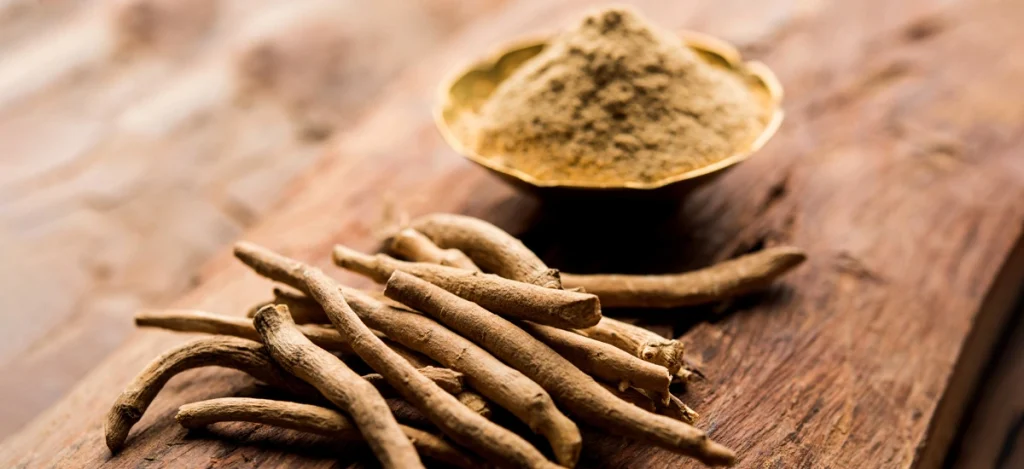
Pharmacological Actions Of Ashwagandha
Ashwagandha has significant anti-stress5, adaptogenic6, immunomodulatory, anti-inflammatory, and analgesic effects that soothe the nervous system from the pain response.7
In a study conducted on the anti-arthritis activity of Ashwagandha, it was observed that its analgesic action is due to the involvement of serotonin.8
Another study conducted on mice found that Ashwagandha was more effective than phenylbutazone in controlling inflammation.9 Ashwagandha also showed better results in reducing inflammation as compared to hydrocortisone.10
Patients of rheumatoid arthritis receiving Ashwagandha root powder showed excellent response. Their pain and swelling completely disappeared. A double-blind placebo-controlled study, combining Ashwagandha, turmeric, and zinc showed significant improvement in pain and inflammation.11
A study conducted by Nagareddy et. al. in 2006 showed the potent anti-osteoporotic activity of Ashwagandha.12
Besides these effects, it was also found that there is a significant improvement in hemoglobin, red blood cell count, hair melanin, and seated stature. Serum cholesterol was decreased with the use of Ashwagandha and nail calcium was preserved.13

The Main Components Of Ashwagandha
Withaferin A and withanolide present in Ashwagandha have promising antibacterial, antitumor, immunomodulating14, and anti-inflammatory properties. Withaferin A and Withanolide E exhibited a specific immunosuppressive effect.15 Both of them act like estrogen and prevent net bone loss, suggesting an anti-resorptive activity. Treatment with Ashwagandha appeared to maintain normal integrity, structure, and compactness of the bone.16
Withaferin A can be compared with steroids and is as effective as hydrocortisone sodium succinate dose.17
Somniferin, one of the alkaloids in Ashwagandha, has a hypnotic property that helps in relaxation and promotes sound sleep.18
Topical Use Of Ashwagandha
If applied topically in the form of a paste made from the roots and leaves with water, it effectively reduces inflammation at the joints.19
For relief of stubborn joint pain without facing other side effects, opt for Ashwagandha arthritis, a natural anti-arthritis herb.





0 Comments